
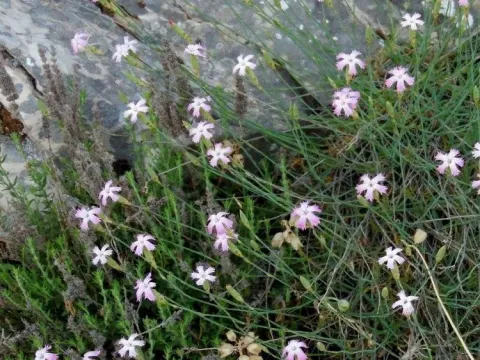
Serrate-leaved pink
Dianthus serratifolius
Dianthus serratifolius is a member of the Caryophyllaceae family. This perennial plant is indigenous to rocky and mountainous habitats, characterizing its specific requirements for cultivation in garden environments.
What the section contains
Serrate-leaved pink
The crop demands well-drained, porous soils, ideally with a limestone base. The plant cannot tolerate stagnant moisture, which is the primary factor limiting its survival in heavy or clay-based soil types.
Exposure to full sunlight is essential for the healthy development of this species. In shaded conditions, the plant loses its structural integrity, becomes leggy, and shows a significant reduction in flowering capacity.
It is a highly drought-tolerant species once established. The agronomic management focuses on providing minimal but consistent water during the establishment phase, followed by dry conditions during the summer months.
The horticultural use of Dianthus serratifolius is primarily focused on rock gardens, stone wall crevices, and xeriscaping. Its compact form and ability to thrive in poor, stony soils make it a desirable choice for sustainable landscapes.
Fungal pathogens such as Fusarium wilt and rust are the most significant threats to the crop. These diseases thrive in environments with poor ventilation and high humidity, making site selection critical for plant health.
Root rot, caused by Phytophthora species, is often a fatal condition for this plant. It is primarily driven by excessive soil moisture, emphasizing the need for a high-quality drainage system in the planting area.
Insects like aphids and spider mites can infest the foliage, particularly in protected environments or during exceptionally dry, hot weather. Monitoring the underside of the leaves is crucial for early detection.
Slugs and snails can cause mechanical damage to the succulent leaves, particularly during the early spring growth period. Protective barriers or organic molluscicides are standard control measures.
Maintaining proper hygiene by removing dead plant matter reduces the risk of disease spread. Integrating companion plants that attract natural predators can also help manage minor pest outbreaks naturally.