
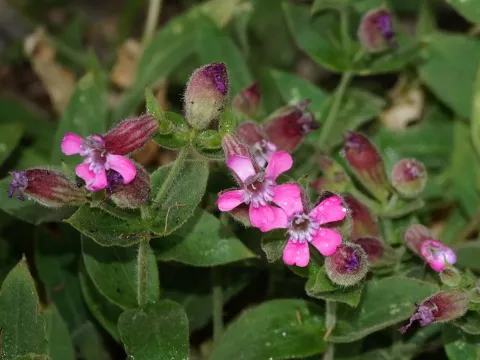
Sharp-leaved catchfly
Silene acutifolia
The Sharp-leaved catchfly (Silene acutifolia) is a perennial herbaceous plant belonging to the Caryophyllaceae family. It is native to East Asia, primarily originating from the mountainous regions of China, where it thrives in rocky environments.
What the section contains
Sharp-leaved catchfly
Botanically, the species is distinguished by its slender, erect stems and sharp, narrow leaves. The inflorescences consist of loose cymes bearing delicate flowers, typical of the Silene genus, which add a sophisticated texture to any planting design.
Regarding climatic requirements, the plant prefers temperate conditions with reliable moisture levels. It is quite adaptable but performs best in regions where it can receive sufficient sunlight while being protected from extreme, desiccating heat.
Soil requirements are strict concerning drainage; the plant demands porous, well-drained soil to thrive. While it is not overly sensitive to pH levels, it performs optimally in neutral to slightly acidic, gritty soils that prevent water stagnation around the roots.
The primary horticultural use of Silene acutifolia is as an ornamental plant. Due to its refined habit, it is an excellent choice for rock gardens, alpine troughs, and edge plantings, offering a natural and delicate look to landscape compositions.
The most significant threats to this culture are fungal diseases, particularly crown and root rot, which are triggered by waterlogged soil. Ensuring perfect drainage is the most effective preventative measure against these systemic pathogens.
Common insect pests include aphids and spider mites, which tend to infest the plant during hot, dry spells. Regular monitoring and overhead misting during extreme heat can discourage the establishment of spider mite populations on the foliage.
Powdery mildew can occur if air circulation is insufficient. To mitigate this risk, it is recommended to maintain proper spacing between plants and avoid overhead watering that keeps the foliage wet for extended periods.
In addition to these, slugs and snails may graze on the young, tender growth during the early stages of the growing season. Protective barriers or organic bait can be used if infestation levels threaten the decorative value of the plant.
Good garden hygiene, such as removing debris and spent flowers, helps in reducing the overwintering potential for pathogens and pests. Regular observation during the early season ensures that any issues are caught before they spread to the entire population.