
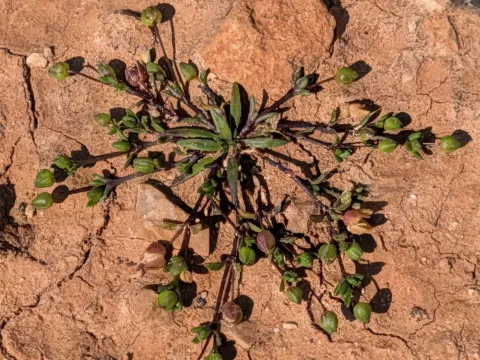
Sea pearlwort
Sagina maritima
Sea pearlwort (Sagina maritima) is an annual herbaceous plant belonging to the Caryophyllaceae family. Naturally occurring in coastal areas across Europe and the Mediterranean, it is well-adapted to harsh maritime environments.
What the section contains
Sea pearlwort
Botanically, it is characterized by its low-growing, mat-forming habit. The plant consists of tiny, succulent-like linear leaves arranged in basal rosettes, which allows it to thrive in saline, nutrient-poor conditions where other species fail.
The plant demands full sunlight and thrives in well-drained, sandy, or gravely soil types. It is highly sensitive to waterlogging, necessitating a substrate that allows for rapid water dissipation to prevent root suffocation.
Climate preferences for sea pearlwort include cool, temperate conditions with high humidity levels. While it tolerates salty sea spray and strong coastal winds, it prefers locations that remain cool during the peak of summer.
In landscaping, it is utilized as an ornamental groundcover for rock gardens and paths. Its ability to create a dense, green carpet makes it a valuable species for ecological restoration on coastal sites or drought-prone garden sections.
Fungal infections, particularly root rot, represent the primary threat to the health of sea pearlwort. These issues almost exclusively arise from poor soil drainage and stagnant water around the root zone.
Pests such as slugs and snails are known to graze on the succulent foliage, particularly during wet weather. These pests can rapidly destroy the visual appeal of a densely planted patch if left unchecked.
Powdery mildew may occur during periods of high humidity and poor air circulation. To manage this, it is essential to ensure adequate spacing between plants and to avoid overhead irrigation that keeps the foliage wet for extended periods.
Integrated pest management should focus on site selection and soil preparation rather than chemical intervention. Providing a grit-based top dressing can reduce the risk of foliage contact with wet soil, thereby lowering disease incidence.
Routine inspection for pests and signs of decay is recommended. Prompt removal of any necrotic tissue is vital to prevent the spread of fungal spores across the entire colony during the growing season.