
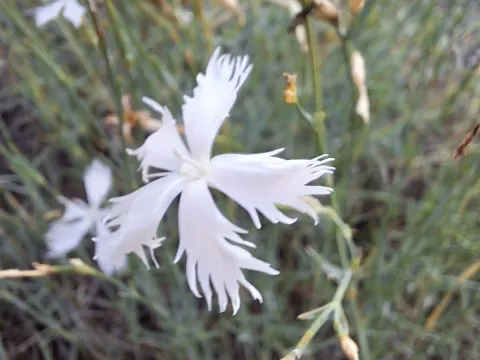
Late pink
Dianthus serotinus
Late pink (Dianthus serotinus) is a perennial herbaceous plant belonging to the Caryophyllaceae family. It is typically propagated by seeds during the spring season.
What the section contains
Late pink
Sowing in open ground usually occurs in late May once the soil temperature is consistently high enough to support germination and initial development.
The seedling method is often preferred for more controlled growth; seeds are sown in trays during March or April to ensure healthy plants for transplantation.
When sowing, it is crucial to place seeds shallowly in the substrate, covering them with a thin layer of sand to allow for adequate oxygen access to the germinating embryo.
Once seedlings have developed two sets of true leaves, they should be carefully transplanted or thinned to prevent overcrowding and ensure sufficient space for root development.
This species thrives in sunny, open environments. Adequate exposure to direct sunlight is essential for maintaining compact growth and promoting intensive flowering cycles.
The ideal soil for Dianthus serotinus is well-draining and sandy or loamy in structure. It must be neutral or slightly alkaline to facilitate proper nutrient uptake.
The plant demonstrates significant drought tolerance but requires moderate watering during dry spells to sustain its foliage and flower bud production.
Proper air circulation is a key requirement for this plant; therefore, avoiding dense planting patterns is necessary to keep the foliage dry and healthy throughout the growing season.
Soil management should include regular weeding to eliminate competition for nutrients and moisture, as well as occasional light fertilization during the vegetative growth phase.
The main threats to the health of the plants are fungal pathogens, specifically rust and various leaf spot diseases, which typically emerge in humid conditions.
Root rot is a significant danger if the soil drainage is inadequate or if the plants are subjected to frequent overwatering during periods of low evaporation.
Pests such as aphids and spider mites can cause structural damage to the leaves and buds, significantly reducing the visual quality of the horticultural crop.
Implementing a strict rotation of crops and ensuring appropriate spacing between plants are fundamental practices for preventing the spread of diseases and insect infestations.
Integrated pest management, including the use of targeted biological agents and timely fungicide application, is recommended to keep the plants free from severe damage.
Harvesting for decorative purposes involves cutting the flower stems during the early morning hours, when the moisture content in the plants is at its peak.
Stems should be cut with sharp, sterilized tools just above the node, ensuring that the remaining plant has enough foliage to continue photosynthesizing and storing energy.
For optimal post-harvest life, flowers should be moved to a cool, shaded area immediately after cutting to prevent wilting and degradation of the flower tissues.
If the harvest is intended for seed production, flower heads are left on the stems until they are fully dry and brown before being collected for threshing.
Post-harvest handling must be done with care to avoid mechanical bruising of the flowers, which can lead to quick decay and susceptibility to opportunistic pathogens.