
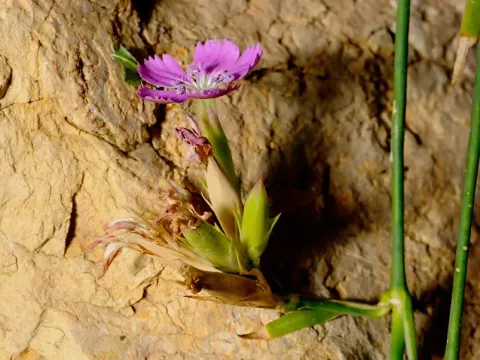
Dianthus crassipes
Dianthus crassipes
The sowing of Dianthus crassipes is typically performed in early spring. Starting seeds in a controlled indoor environment ensures high germination rates and provides a head start for the upcoming growing season.
What the section contains
Dianthus crassipes
Seeds should be sown in a sterile, well-draining seed-starting mix. Cover the seeds lightly with vermiculite or fine soil, as they require consistent moisture but must avoid being waterlogged to prevent damping-off diseases.
Temperature control is essential during the germination phase, with an ideal range between 18°C and 20°C. Once the seedlings emerge, moving them to a location with bright indirect light is crucial to prevent etiolation.
When transplanting young plants into the garden, ensure the site has been properly prepared with loose, gritty soil. Placing the plants in a row or grouped configuration requires at least 25–30 cm of spacing for airflow.
Direct sowing in the garden is also possible in warmer regions once the danger of late frost has passed. Ensure the soil is finely tilled and free of weeds before sowing, as young seedlings are not competitive enough to thrive in overgrown beds.
Belonging to the Caryophyllaceae family, this plant is naturally adapted to rugged, rocky terrains. It thrives in full sun, which is necessary for vigorous growth and profuse flowering throughout the summer months.
The species has a high tolerance for poor, stony soils, provided that drainage is excellent. In agricultural or home garden settings, heavy soils should be amended with organic matter and gravel to replicate its native habitat.
Regarding irrigation, Dianthus crassipes prefers to dry out slightly between watering sessions. Over-irrigation is the most common cause of failure, leading to root rot and weak plant architecture that is prone to collapse.
The plant performs best in neutral to slightly alkaline soil pH. While it is hardy, protection from extreme winter humidity is advisable in colder climates, as moisture trapped around the crown can lead to tissue decay.
Maintenance involves seasonal pruning of dead foliage and spent flower stems. This practice not only keeps the plant looking tidy but also diverts energy back into root development and potential secondary flowering flushes.
The most significant threat to this species is root rot caused by stagnant water in the root zone. Ensuring high-quality drainage is the primary defense strategy for both greenhouse and field-grown plants.
Fungal diseases like rust can appear during periods of high humidity or poor air circulation. Removing infected parts and applying preventative sulfur-based sprays helps manage outbreaks before they spread to healthy foliage.
Common garden pests such as aphids and mites can be problematic, especially when plants are under stress from drought or nutrient imbalance. Monitoring the undersides of leaves is recommended for early detection.
Snails and slugs can damage young, tender seedlings. Using physical barriers or environmentally friendly baiting methods around the base of the plant is effective in minimizing damage during the early growth stage.
- Root rot (Phytophthora)
- Rust disease
- Aphids
- Spider mites
- Slugs and snails