
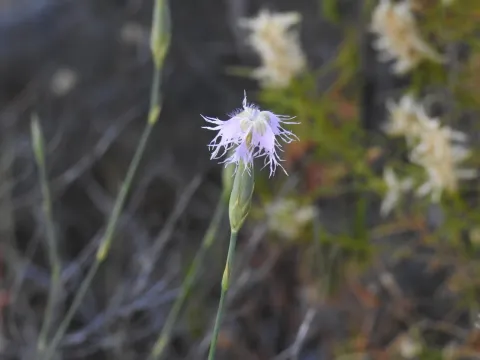
Dianthus broteri
Dianthus broteri
Sowing Dianthus broteri seeds should typically occur in late winter or early spring using a controlled greenhouse environment. Maintain temperatures between 18 and 20 degrees Celsius to ensure successful germination.
What the section contains
Dianthus broteri
Use a sterile, well-draining seed-starting mix and sow seeds thinly on the surface. Lightly cover them with a fine layer of vermiculite or sand, as these seeds require a small amount of light to trigger optimal development.
Transplanting seedlings to their final location in the garden should only take place after the last spring frost. Before moving them outdoors, gradually acclimatize the young plants to outdoor conditions over a week.
Spacing is essential for the long-term health of these plants; maintain at least 25–30 centimeters between individuals. Proper spacing ensures adequate airflow, which is critical for preventing fungal diseases.
Direct outdoor sowing is possible in warmer regions once the soil has warmed up significantly. In such cases, ensure the soil surface is finely raked and free from debris to facilitate uniform seed emergence.
Dianthus broteri, a member of the Caryophyllaceae family, thrives in full sun conditions. Providing six to eight hours of direct sunlight is necessary to encourage vigorous growth and flower production.
The plant performs best in sandy or rocky soils that offer excellent drainage. Alkaline or neutral soil pH levels are preferred, making these plants suitable for rock gardens or well-drained borders.
While mature plants exhibit considerable drought tolerance, consistent moisture during the blooming season will lead to better results. Avoid waterlogging, as the root system is highly susceptible to rot.
Fertilization should be handled with care; a balanced, low-nitrogen liquid fertilizer applied once during the spring is usually sufficient. Excessive nitrogen leads to weak, leggy stems that are prone to breakage.
In regions with harsh winters, protection such as a layer of straw or horticultural fleece is recommended. This helps prevent frost heaving and protects the crown of the plant from extreme temperature fluctuations.
Fungal pathogens, particularly Fusarium wilt and various leaf spots, are the most significant threats to Dianthus broteri. These issues often arise in high-humidity environments with poor drainage.
Insect pests such as aphids and spider mites can cause damage by feeding on tender buds and leaves. Monitor for these pests during hot, dry spells when their populations tend to explode.
Good cultural practices, such as removing dead foliage and providing proper spacing, serve as the first line of defense. Keeping the surrounding area clear of weeds reduces the spread of opportunistic pathogens.
Use neem oil or approved insecticidal soaps if an infestation occurs. For more severe fungal outbreaks, systemic fungicides might be required, though these should be used sparingly.
Proper water management is the most effective preventative measure. Ensure irrigation is directed at the base of the plant, avoiding the foliage as much as possible to keep it dry throughout the night.