
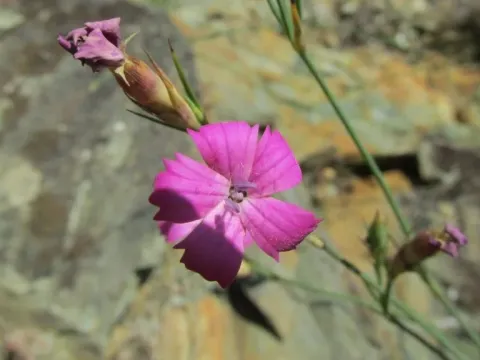
Dianthus gracilis
Dianthus gracilis
Sowing seeds of Dianthus gracilis is best performed in early spring when temperatures remain consistent. For optimal results, seeds should be sown in trays filled with a well-draining, sterile potting mix to minimize the risk of pre-emergence damping-off.
What the section contains
Dianthus gracilis
Seeds require light for successful germination and should be sown on the surface of the soil with minimal covering. Maintaining a constant temperature of about 15-20 degrees Celsius and high humidity under a protective cover will significantly improve germination rates.
Once seedlings have developed their second set of true leaves, they should be pricked out and transplanted into individual pots. This practice encourages the development of a robust root system, ensuring the plants are well-prepared for transplanting into the garden.
Transplanting to the permanent location should only occur after all risks of frost have passed. Plants should be spaced adequately to ensure that each specimen has sufficient airflow, which is critical for preventing fungal issues during the growth period.
Selecting high-quality seeds from reliable sources is the first step in successful cultivation. Early spring sowing ensures that the plant establishes itself thoroughly before the summer heat, leading to stronger blooms in the subsequent seasons.
Dianthus gracilis, a member of the Caryophyllaceae family, thrives in open, sunny environments. It requires full sun exposure to maintain its compact growth habit and produce an abundance of flowers throughout the blooming season.
The ideal soil for this species is sandy, rocky, or chalky, providing excellent drainage. This plant is highly sensitive to waterlogged conditions, which can quickly lead to root rot and the death of the specimen if not corrected immediately.
Watering should be balanced, allowing the soil to dry slightly between irrigation sessions. While the plant possesses a degree of drought tolerance, consistent moisture during the active vegetative stage supports healthier development and more vibrant flowering.
Fertilization should be handled with caution, as Dianthus species generally do not require heavy feeding. A low-nitrogen, high-phosphorus fertilizer applied once in the early spring is usually sufficient to encourage healthy bloom cycles without promoting weak growth.
The plant is generally hardy and tolerant of cool temperatures, making it suitable for temperate regions. In areas with very harsh winters, providing a light mulch of dry leaves or straw can protect the crown of the plant from freeze-thaw damage.
Fungal pathogens such as Fusarium wilt and leaf spots are the primary threats to Dianthus gracilis, especially in regions with high summer humidity. Proper air circulation and avoiding overhead irrigation can greatly reduce the prevalence of these diseases.
Pests including aphids and spider mites can be problematic, particularly during dry spells. Regular inspection of the undersides of leaves allows for early detection, enabling the use of insecticidal soap or biological controls before an infestation becomes severe.
Root rot is a major threat caused by poor drainage or overwatering. By ensuring that the planting site has a high percentage of grit or gravel in the soil mix, gardeners can mitigate the risk of pathogen-induced root failure.
Nematodes are another concern that can weaken the overall vitality of the plant. Maintaining soil hygiene and rotating planting sites periodically help prevent the buildup of soil-borne pests that target the delicate roots of the genus.
Prompt removal and destruction of any infected plant material are essential to prevent the spread of diseases. Keeping the garden area clear of debris also helps reduce the overwintering sites for both fungal spores and common garden insect pests.