
Deptford pink
Dianthus armeria
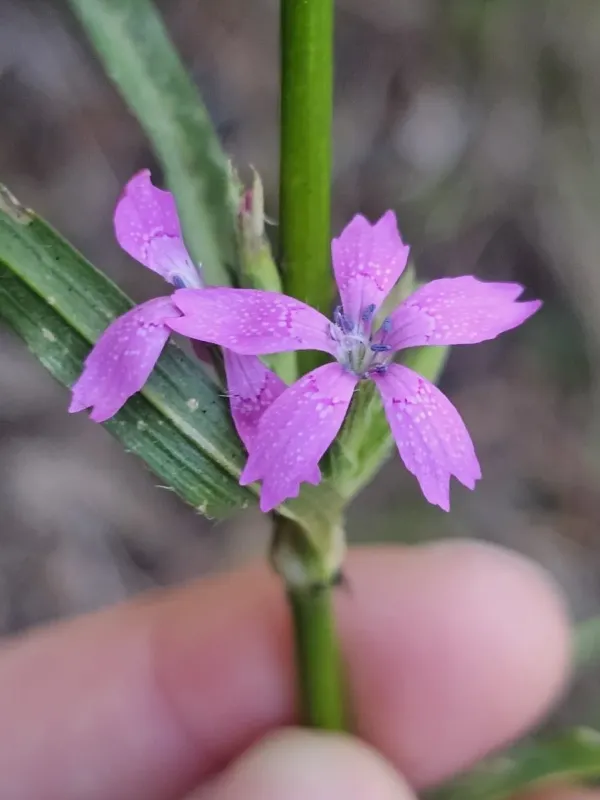
Description
Sowing dates
The Deptford pink (Dianthus armeria), a member of the Caryophyllaceae family, is a distinct herbaceous plant valued for its slender habit and vibrant small flowers.
Seeds are typically sown in early spring or autumn directly into well-prepared soil, as the plant responds well to natural cycles and slightly fluctuating temperatures.
For optimal germination, seeds should be sown on the soil surface or covered with a very thin layer of fine substrate, as they are photosensitive and require light to sprout.
It is important to ensure the site is free from perennial weeds, as the Deptford pink can be outcompeted by more aggressive grasses during its initial growth phase.
Staggered planting can be utilized to ensure a longer display period if the plant is being grown as part of a meadow or informal floral border.
Growing requirements
This species thrives in sunny, open locations and is highly adaptable to various dry, well-draining soil types, including sandy, gravelly, or loam-based grounds.
It prefers neutral to slightly alkaline soil conditions; therefore, incorporating small amounts of limestone or wood ash can be beneficial if the native soil is acidic.
The plant is exceptionally drought-tolerant once established, making it an excellent choice for low-maintenance sustainable garden landscapes and rocky embankments.
Adequate air movement around the foliage is essential to prevent moisture buildup, which can otherwise lead to stem rot in particularly humid or stagnant conditions.
Minimal fertilization is required, as excessive nutrient levels often lead to leggy growth and reduced flowering, compromising the plant's natural beauty.
Main diseases and pests
Fungal pathogens such as rust (Puccinia dianthi) can affect the foliage, particularly during damp summers, causing discolored spots and eventual tissue necrosis.
Aphids and mites are the most common insect pests, often colonizing the upper parts of the stems and feeding on sap, which weakens the plant's overall vigor.
Preventive measures include maintaining appropriate spacing between individual plants and avoiding overhead irrigation that leaves water sitting on the leaves overnight.
If chemical intervention becomes necessary, targeted systemic pesticides should be used sparingly to protect local pollinator populations that frequent the flowers.
Keeping the surrounding area clear of debris and old plant material significantly reduces the risk of overwintering pests and fungal spore proliferation.