
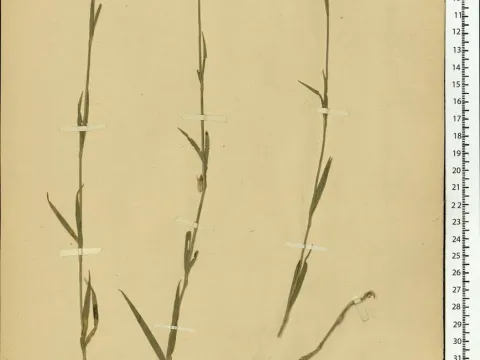
Dianthus membranaceus
Dianthus membranaceus
Dianthus membranaceus is a perennial herbaceous plant belonging to the Caryophyllaceae family. It is recognized for its delicate floral structure and its ability to thrive in harsh environments, making it a favorite for rock gardens.
What the section contains
Dianthus membranaceus
Native to regions with temperate climates, this species prefers open, sunny locations with excellent exposure. It has evolved to survive in semi-arid conditions, demonstrating significant drought tolerance compared to other ornamental species.
Successful cultivation requires well-drained, slightly alkaline soil. Heavy soils that retain moisture must be amended with grit or gravel to prevent root rot, which is the primary cause of plant failure in garden settings.
The plant is highly adaptable to temperature fluctuations and shows excellent winter hardiness. However, it benefits from a layer of mulch in regions with extreme frost to protect the root crown from alternating freeze-thaw cycles.
Economically, this species is utilized primarily for ornamental purposes. It is frequently incorporated into xeriscaping projects and alpine landscape designs due to its low maintenance needs and attractive flowering habit.
The most significant threats to Dianthus membranaceus are fungal diseases caused by poor drainage or excessive humidity. Fusarial wilt is a common pathogen that can devastate plantings if conditions are not properly managed.
In terms of pests, spider mites and aphids are the most prevalent challenges. These organisms often attack during hot, dry spells, causing chlorosis, leaf curling, and overall plant decline if left untreated.
Preventative measures should focus on maintaining a strict watering regimen that avoids overhead irrigation. Adequate spacing between plants is critical to allow for constant airflow, which keeps foliage dry and discourages fungal growth.
Integrated pest management, including the use of neem oil or targeted biological insecticides, is recommended for controlling infestations without disrupting the local garden ecosystem.
Maintaining balanced soil nutrition is essential. Over-fertilization should be avoided, as it leads to weak, succulent growth that is more susceptible to both mechanical damage and pest attacks throughout the growing season.