
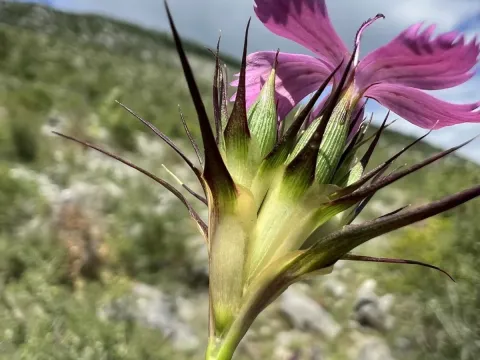
Dianthus balbisii
Dianthus balbisii
Dianthus balbisii is a perennial herbaceous plant belonging to the Caryophyllaceae family. Native to the Mediterranean and Balkan regions, it is a hardy species adapted to growing in rocky slopes, meadows, and areas with well-drained, nutrient-poor soil.
What the section contains
Dianthus balbisii
The botanical structure includes narrow, glaucous leaves and stems that rise to a height of 30 to 50 centimeters. The plant produces dense clusters of vivid pink or purple flowers, which attract various pollinators and are highly valued for decorative purposes.
Cultivation of this species requires a location with full sun exposure and excellent soil drainage. It thrives in alkaline or neutral substrates; therefore, incorporating sand or limestone chips into the planting site is recommended for optimal root aeration.
As a drought-tolerant species, Dianthus balbisii does not require frequent irrigation once established. Overwatering is the most common mistake in its cultivation, as the roots are susceptible to decay in waterlogged conditions.
The maintenance routine involves minimal fertilization, usually applied in early spring to encourage growth. Removing faded flower heads can promote a secondary bloom later in the season and helps maintain the aesthetic appearance of the plant.
The primary threats to Dianthus balbisii include fungal diseases such as leaf spot and root rot, often triggered by excessive humidity in the environment.
Pests like aphids and spider mites are common enemies of this plant, particularly when it is grown in environments with poor air circulation or extreme heat.
Effective management involves monitoring foliage regularly and applying insecticidal soaps or horticultural oils at the first sign of pest infestation.
Preventative measures include ensuring proper plant spacing to improve airflow, which significantly reduces the risk of fungal proliferation.
Finally, controlling weed populations around the plant base is crucial to reduce competition for nutrients and prevent the spread of diseases from neighboring weeds.