
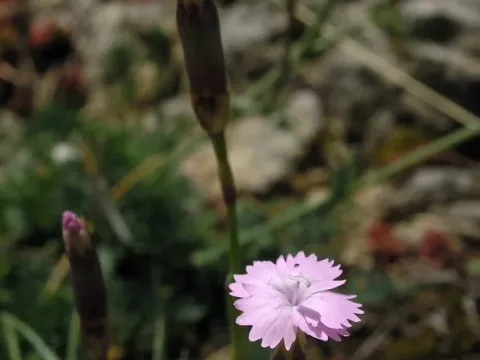
Dianthus geminiflorus
Dianthus geminiflorus
Propagation of Dianthus geminiflorus typically begins with sowing seeds in late winter or early spring inside a controlled greenhouse environment.
What the section contains
Dianthus geminiflorus
Seeds should be sown on the surface of a light, well-draining seed-starting mix, as they require sufficient light exposure to initiate the germination process.
Maintaining a steady temperature of approximately 18 to 20 degrees Celsius is essential for achieving consistent and vigorous seedling emergence.
Once the seedlings have developed their second set of true leaves, they should be transplanted into individual cells to encourage robust root development.
Hardening off the seedlings is a critical step before moving them to their permanent outdoor location, ensuring they can withstand environmental stressors.
Dianthus geminiflorus is a member of the Caryophyllaceae family and is highly valued for its resilient growth habit and ornamental appeal in gardens.
The plant thrives in full sun conditions, requiring at least six to eight hours of direct sunlight daily to produce high-quality foliage and flowers.
Soil structure is paramount, as the species demands excellent drainage; even temporary waterlogging can lead to rapid decay of the root system.
The ideal soil pH is neutral to slightly alkaline, which supports optimal nutrient availability and prevents common chlorosis issues in the plants.
During the active growing season, deep but infrequent watering is preferred over light daily sprinkling to encourage deep rooting and overall plant drought tolerance.
The primary threats to this species are fungal pathogens, specifically those causing root rot and leaf spots, often favored by poor air circulation.
Integrated pest management should be employed to control common issues such as aphids, spider mites, and thrips, which can impact plant vitality.
- Monitor plants weekly for signs of discoloration.
- Ensure adequate spacing between plants to improve airflow.
- Remove weeds that compete for light and nutrients.
- Apply preventative fungicides if weather conditions are humid.
Maintaining a clean growing environment is the most effective strategy for preventing the buildup of overwintering pests and disease spores in the soil.
In cases of severe infestation, targeted applications of systemic insecticides or fungicides may be necessary to preserve the health of the planting bed.