
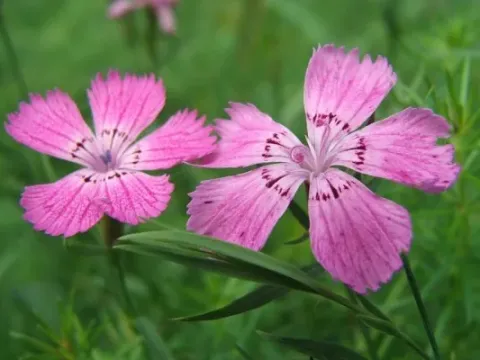
Dianthus cyri
Dianthus cyri
Sowing Dianthus cyri seeds in greenhouses or seedbeds is typically done in early spring, during March or April. This timing allows the plants to establish well before being transplanted outdoors.
What the section contains
Dianthus cyri
In regions with mild climates, late autumn sowing directly into the soil is possible in October or November. The seeds undergo natural stratification, which significantly improves germination rates in the spring.
Optimal germination requires maintaining a soil temperature between 18 and 20 degrees Celsius. Seeds should be sown at a shallow depth of 0.5 to 1 centimeter, as they need adequate light to germinate properly.
Seedlings should be pricked out once two true leaves have developed. Ensuring sufficient light for the young plants is crucial to prevent leggy growth and to encourage the development of strong, robust stems.
Transplanting to their permanent location is best performed once the danger of frost has passed, usually matching the late spring period of stable temperatures.
Dianthus cyri is a member of the Caryophyllaceae family, recognized for its drought tolerance and preference for full sun. It thrives in exposed, well-lit locations.
The crop has specific requirements regarding soil texture. It performs best in light, well-drained sandy or loamy soils with a neutral to slightly alkaline pH level.
Water stagnation in the root zone is detrimental to this species. When preparing a planting site, incorporating sand or fine gravel is highly recommended if the native soil is heavy or prone to waterlogging.
During the active growing season, Dianthus cyri requires moderate watering, although irrigation frequency should be adjusted based on ambient temperatures during the flowering period.
Its resilience to climatic factors makes it an excellent choice for landscaping in regions with hot, dry summers. Providing mineral fertilizers in spring helps promote vigorous growth and extended flowering.
The primary threats to Dianthus cyri are fungal diseases that emerge under conditions of high humidity or soil moisture excess, such as Fusarium wilt and various leaf spots.
Common pests include aphids and spider mites. These insects feed on the sap of young leaves and flower buds, causing deformation of the shoots and reducing the overall aesthetic quality of the plants.
To combat fungal infections, growers should use broad-spectrum fungicides and strictly adhere to proper irrigation practices, ensuring foliage remains dry, especially during evening hours.
Pest prevention involves regular visual inspection of the plants, the timely removal of weeds surrounding the planting sites, and the use of targeted insecticides upon the first sign of infestation.
Adhering to crop rotation principles—avoiding replanting in the same spot for at least 3 to 4 years—is essential for significantly reducing the soil-borne pathogen load.