
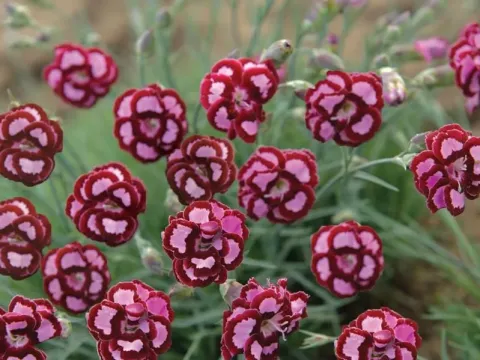
Dianthus hybrid
Dianthus hybrids
Dianthus hybrid is a collective term for numerous crosses within the Caryophyllaceae family. These plants are highly valued in both commercial and decorative horticulture for their vibrant flowers, varying colors, and often pleasant fragrance, making them versatile additions to any garden or greenhouse.
What the section contains
Dianthus hybrid
Seed sowing is typically initiated in late winter or early spring in a climate-controlled greenhouse. Using a fine, well-draining seed starting mix is crucial, as the seeds need light to germinate; therefore, they should only be lightly pressed into the surface rather than buried deep.
Transplanting into the permanent site should occur once the danger of frost has fully passed. These plants thrive in well-prepared beds where the soil has been amended with organic matter to ensure both fertility and adequate drainage, as they do not tolerate waterlogged conditions.
Space the plants according to the specific cultivar's expected maturity to ensure proper air circulation. Proper spacing is a key preventative measure against the fungal issues that frequently affect dense plantings where humidity tends to linger.
Vegetative propagation via cuttings is a common practice for maintaining specific hybrid traits. Taking healthy, non-flowering shoots in mid-summer and placing them in a rooting medium can lead to identical offspring, preserving the unique colors and shapes of the original hybrid.
Dianthus hybrids are sun-loving plants that require at least six hours of direct sunlight per day. Insufficient light leads to weak, spindly stems that struggle to support the weight of the blooms and significantly reduces the overall flowering capacity.
Soil pH should ideally be neutral or slightly alkaline. These plants are notably sensitive to acidic conditions, which can inhibit nutrient uptake and lead to chlorosis; if the soil is too acidic, adding lime is a recommended corrective measure.
Watering requires precision; the goal is to keep the soil consistently moist but never soggy. Overwatering is the most common cause of root rot, so letting the top inch of soil dry out between waterings is a reliable rule of thumb for home gardeners.
Fertilization with a balanced, slow-release fertilizer is beneficial during the early growth stages. Once the buds begin to form, switching to a high-potassium formula will encourage more robust and intense flower development throughout the blooming season.
Deadheading spent flowers is a crucial maintenance task that encourages the plant to direct its energy into producing new buds rather than setting seed. Regular grooming also keeps the plant tidy and prevents the accumulation of decaying matter that could attract pests.
Fusarium wilt is a severe fungal disease that affects the plant's vascular system. It is characterized by the sudden wilting and yellowing of foliage; infected plants must be removed and destroyed immediately to prevent the fungus from spreading through the soil.
Leaf spot diseases, caused by various fungi or bacteria, manifest as unsightly spots that can lead to premature leaf drop. Maintaining dry foliage by watering at the base rather than overhead is the most effective cultural method to mitigate this threat.
Aphids are frequent visitors that colonize the succulent new growth and flower buds. They not only cause physical damage through sap-feeding but also act as vectors for various plant viruses, necessitating a prompt response with insecticidal soap or neem oil.
Red spider mites often attack during prolonged hot and dry periods. Because they are tiny and reside mainly on the undersides of leaves, infestations can go unnoticed until significant damage, such as leaf yellowing or webbing, becomes visible.
Root-knot nematodes can also be problematic, especially in warm climates. These microscopic pests cause galls on the roots, which prevent the plant from absorbing water and nutrients effectively, leading to overall stunted growth and reduced vigor.