
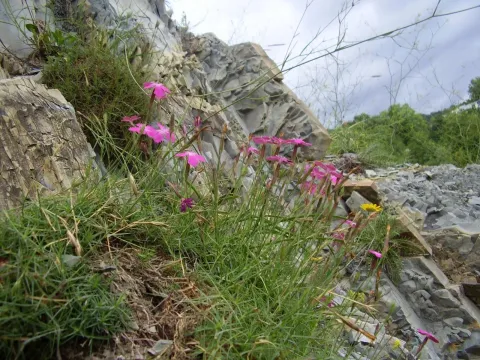
Dianthus acantholimonoides
Dianthus acantholimonoides
The sowing of Dianthus acantholimonoides seeds should be performed in early spring, specifically in March or April, within a controlled greenhouse or indoor seed tray environment.
What the section contains
Dianthus acantholimonoides
Seeds require a well-draining, sandy substrate to germinate effectively. Maintain a temperature range of 18-20 degrees Celsius to ensure consistent and high-quality emergence of seedlings.
Seedlings should be pricked out once the first true leaves have emerged. This process encourages the development of a robust root system, which is essential for survival in rocky habitats.
For direct outdoor sowing, wait until the danger of frost has passed. Soil temperatures must be warm enough to promote rapid germination and minimize the risk of seed rot.
Ensure seeds are covered very thinly with substrate. Deep planting is detrimental and significantly reduces the probability of successful germination for this specific variety.
Dianthus acantholimonoides belongs to the Caryophyllaceae family. It is native to arid mountain environments, which necessitates a planting site with full sun exposure.
The soil must be exceptionally well-draining. Ideal conditions include gravelly, rocky, or sandy loam soils that prevent any form of waterlogging around the root zone.
This species is highly drought-tolerant once established. Supplemental irrigation should be sparse, as excessive moisture leads to the loss of its natural compact, cushion-like habit.
Soil pH levels should generally be neutral to slightly alkaline. The plant does not thrive in heavy, clay-based soils, which retain excessive moisture and restrict airflow to the roots.
As a rock garden plant, it is best utilized in areas with high air circulation. This ensures the foliage remains dry, which is a critical factor for the longevity of the plant.
Root rot caused by Phytophthora or Pythium species is the primary threat, usually resulting from poor drainage or excessive soil moisture during the dormant season.
Foliar diseases such as rust can occur if the plants are situated in areas with high humidity and poor ventilation. Keeping the foliage dry is the best preventive measure.
Spider mites are common pests that thrive during dry, hot spells. They cause leaf discoloration and can significantly weaken the plant if left untreated during the active growth phase.
Aphids may target the emerging flower buds, leading to stunted growth or deformed blooms. Targeted applications of insecticidal soap are typically effective in controlling these outbreaks.
Maintenance of plant health centers on cultural practices, including strategic spacing to improve airflow and avoiding excessive use of fertilizers that promote soft, susceptible growth.