
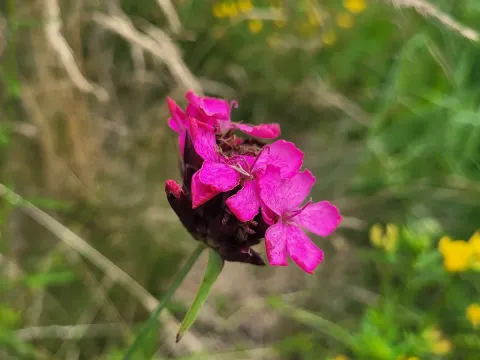
Dianthus cruentus
Dianthus cruentus
The sowing of Dianthus cruentus typically occurs in early spring, specifically March or April, using a greenhouse or indoor seed tray method. This approach ensures the development of robust seedlings that can withstand transplanting once the risk of frost has passed.
What the section contains
Dianthus cruentus
For direct outdoor sowing, the ideal time is late May, when the soil has sufficiently warmed up. Proper soil temperature is crucial for consistent germination, and planting depth should be limited to roughly 0.5 to 1 centimeter to ensure exposure to necessary light.
Seeds should be covered very lightly with fine soil or vermiculite. Maintaining uniform soil moisture is critical during the initial weeks, as dry spells can significantly hinder the germination process and lead to uneven stand establishment.
Fall sowing is an option in milder climates, as it allows seeds to undergo natural stratification. This process often leads to stronger, more resilient plants the following spring, provided the winter is not excessively wet or prone to deep freezing.
Using growth stimulants or pre-soaking seeds in a diluted solution can accelerate the germination process. This is particularly useful for maximizing the yield from high-quality seed lots and ensuring a uniform crop size across the garden bed.
Dianthus cruentus, a member of the Caryophyllaceae family, is a light-demanding species. It thrives in full sun, which is necessary not only for vigorous growth but also for the development of its signature deep red, saturated floral pigmentation.
The plant requires well-drained, porous soil with a neutral to slightly alkaline pH. Soils with high clay content or poor drainage must be amended with grit, sand, or perlite to prevent root rot, which is the primary cause of plant failure in this species.
Drought tolerance is a defining characteristic of this perennial. Once established, it requires minimal irrigation. Overwatering is highly detrimental, as it encourages fungal pathogens and weakens the plant's natural defense mechanisms.
Fertilization should be handled with care; excessive nitrogen will result in leggy, weak stems that lack the ability to support the flowers. Instead, a balanced, low-nitrogen, high-phosphorus fertilizer applied during the early bud stage is recommended.
Originating from rocky landscapes and dry meadows in the Balkans, the plant performs best when its environmental needs are met. Creating a "rock garden" aesthetic with good drainage and proper air circulation will significantly prolong the plant's lifespan.
Fusarium wilt is arguably the most serious threat to Dianthus cruentus. It affects the plant's vascular system, leading to rapid yellowing and death. Managing soil moisture and practicing proper crop rotation are the most effective preventative measures.
Rust and alternaria leaf spot can emerge in environments with high humidity and poor air circulation. Ensuring adequate spacing between plants allows for wind to dry foliage quickly, which is a simple but vital strategy for preventing these fungal infections.
Pests such as spider mites and thrips are common in dry, warm conditions. If left unchecked, they can sap the vitality of the plant and mar the aesthetic quality of the blooms. Regular monitoring and use of horticultural soaps or systemic insecticides can mitigate these risks.
Slugs and snails can be devastating to young seedlings. Implementing physical barriers, such as copper tape or crushed eggshells around the base of the plant, can provide reliable protection during the most vulnerable early stages of growth.
Nematode infestations can lead to stunted growth and yellowing foliage. Utilizing soil solarization techniques before planting or incorporating organic matter that supports beneficial soil micro-organisms can help maintain a healthy subterranean environment.
Harvesting for floral display should be conducted in the semi-bud stage. Collecting the stems early in the morning, when the plant's moisture content is at its peak, will significantly extend the vase life of the cut flowers.
Clean, sharp tools must be used for harvesting to ensure smooth cuts. Ragged or dull cuts create large surface areas susceptible to secondary infections, which can travel down the stem and damage the mother plant.
Regular deadheading—the removal of spent flowers—is essential. This simple practice diverts energy away from seed production and back into the plant's root system, often encouraging a secondary flush of blooms later in the season.
When collecting seeds, allow the seed heads to dry naturally on the stem. Harvest them just before they shatter to ensure the maximum yield of mature, viable seeds. Store them in a cool, dry place until the following season.
Post-season maintenance involves trimming back the foliage after the first heavy frost. Cutting the plant back to about 5–10 centimeters above the ground helps the plant focus its remaining energy on overwintering and prevents the buildup of potential pathogens in dead leaves.