
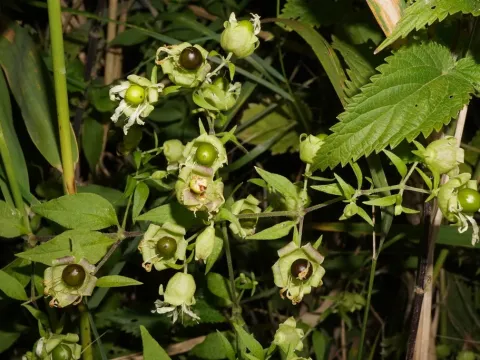
Cucubalus baccifer
Cucubalus
Cucubalus baccifer, a member of the Caryophyllaceae family, is typically propagated through seeds. Autumn sowing is preferred to allow for natural stratification, which ensures a higher germination rate during the following spring.
What the section contains

Cucubalus baccifer
When spring sowing is planned, seeds should be pre-treated to break dormancy. Sowing should occur at a depth of approximately 1 to 2 centimeters in a well-prepared seedbed enriched with organic matter.
Sufficient spacing, usually around 40 centimeters between plants, is essential to accommodate the rapid growth of stems and side shoots. Proper spacing ensures adequate air circulation, reducing the risk of fungal infections.
Weed management is critical during the seedling stage. Regular hoeing should be performed cautiously to avoid damaging the developing root system, which can be sensitive to mechanical stress.
Transplanting seedlings from a greenhouse can improve survival rates and shorten the establishment period. Plants should be moved to their permanent location when the threat of late frosts has completely passed.
The plant thrives in semi-shaded environments with moisture-retentive, fertile soils. It is well-adapted to temperate climates, showing significant resilience to cold winters once established in the garden.
Soil quality must be high, with good drainage to prevent waterlogging. While it prefers neutral to slightly acidic conditions, it is highly adaptable to various soil types if enough compost is provided.
Water requirements are moderate, but consistent moisture is necessary during the flowering and fruiting stages. Mulching helps maintain soil temperature and moisture levels, protecting the root zone from evaporation.
Light exposure should be managed carefully. While it can grow in open areas, the plant prefers the filtered light found under tree canopies or on the edges of woodlands to prevent leaf scorch.
Regular fertilization with organic nitrogen or balanced fertilizers during the spring growth flush will maximize biomass production. Avoiding high-salt fertilizers is recommended to protect the sensitive root structure.
The yield of Cucubalus baccifer is largely measured by its aerial biomass, which is utilized for various pharmacological and botanical applications. Harvesting usually occurs during the peak flowering stage.
For fruit production, the black, shiny berries are collected once fully mature. Caution must be exercised during handling, as parts of the plant may contain compounds that require careful processing.
Under optimal management, a harvest of 3 to 5 kilograms of fresh biomass per square meter can be expected. Productivity is maintained through consistent irrigation and proper soil maintenance over the years.
The plant remains productive for several seasons on the same site, typically requiring renewal every 5 to 7 years to ensure vitality and high yield quality. Pruning after the main growth phase can stimulate regeneration.
Quality of the harvested material depends heavily on drying techniques. Shaded, well-ventilated drying areas are essential to preserve the integrity of the bioactive components within the plant tissues.
Fungal pathogens such as powdery mildew are the most common threats, especially in humid or stagnant air conditions. Improving ventilation and using biological fungicides can effectively manage these issues.
Aphids and leaf-eating beetles can cause significant damage to the succulent leaves and stems. Regular inspection and the application of natural pest deterrents are recommended to maintain plant health.
Root rot occurs if the soil drainage is inadequate or if irrigation is excessive. Monitoring soil moisture and adjusting drainage systems is vital for the long-term success of the cultivation plot.
Slugs and snails are notorious for feeding on young shoots in the spring. Using physical barriers like crushed shells or organic pellets around the perimeter can prevent significant losses.
Virus-like symptoms, often characterized by stunted growth or mottled leaves, may appear if the plant is stressed. Maintaining overall plant vigor through proper nutrition is the best defense against such disorders.