
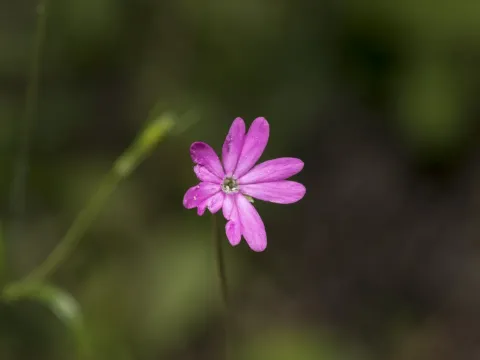
Cretan catchfly
Silene cretica
Cretan catchfly (Silene cretica) is an annual herbaceous plant belonging to the Caryophyllaceae family. While not a major industrial crop, it is recognized for its adaptability and potential as a minor component in agricultural landscapes or botanical research programs.
What the section contains
Cretan catchfly
The sowing season usually occurs in early spring once soil temperatures reach a consistent level of 8–10 degrees Celsius. Achieving a consistent planting depth of approximately 1 to 2 centimeters is crucial for optimal germination rates in field conditions.
In Mediterranean-type climates, autumn or winter sowing is a viable practice, allowing the plant to leverage cooler, moist conditions to establish a robust vegetative rosette before the onset of spring flowering.
Uniform seed distribution is essential to ensure that individual plants have sufficient space to develop. Overcrowding can lead to resource competition, which negatively impacts the final biomass yield of the crop during the growth phase.
Agricultural management during the emergence phase should prioritize weed control, as the crop exhibits moderate competitive ability against faster-growing weeds during the first few weeks of development.
Cretan catchfly thrives in well-drained, light-textured soils. It performs best in neutral to slightly alkaline pH environments, where nutrient availability is optimal for the development of both vegetative and reproductive tissues.
The crop is highly dependent on solar radiation. Exposure to full sunlight is a prerequisite for rapid growth and vigorous development; any significant shading will result in etiolated stems and a reduction in total plant mass.
Regarding climatic tolerance, it is well-suited to regions with warm, temperate, or Mediterranean climates. It demonstrates good resilience to mild drought conditions, which allows it to persist in areas where more water-intensive crops might fail.
Water management is critical; while it tolerates dry spells, it is sensitive to waterlogging. Excess moisture, particularly in heavy soil types, can impede root respiration and trigger physiological stress in the plants.
Fertilization regimes should be balanced, with a focus on phosphorus and potassium to support strong structural development and seed production, rather than excessive nitrogen which might cause lodging.
Fungal diseases represent the primary biotic challenge for Silene cretica, particularly under high humidity. Powdery mildew can rapidly spread across the leaf surface, affecting photosynthesis and overall crop health if left untreated.
Pest pressure often originates from aphids and various leaf-feeding larvae. These insects can cause significant damage to the terminal buds and foliage, which necessitates monitoring during the early stages of the growing season.
Root rot, associated with poorly drained soils or excessive irrigation, remains a significant threat. Ensuring adequate soil drainage is the most effective management strategy to prevent the development of soil-borne pathogens.
Integrated pest management (IPM) practices, including the use of trap crops and the promotion of beneficial insects, are recommended to maintain population balance within the field environment.
Regular field scouting is essential to identify symptoms of infection or pest outbreaks, allowing for timely, targeted interventions that minimize the need for broad-spectrum chemical applications.