
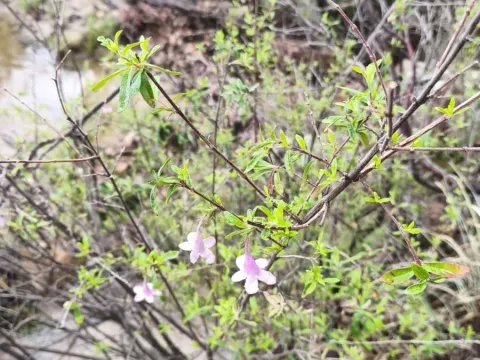
Vesalea
Vesalea
Vesalea, belonging to the Caprifoliaceae family, is propagated primarily through seed germination or vegetative cuttings. Sowing seeds in nurseries is best done in late autumn to allow for natural stratification, which significantly improves seedling emergence rates.
What the section contains

Vesalea
Vegetative propagation involves taking semi-hardwood cuttings during late spring or early summer. Applying rooting hormones to the base of the cuttings ensures a higher success rate when planted in controlled indoor conditions.
Transplanting into the permanent site should occur in early spring once the soil temperature is stable. This timing allows the root system to establish itself firmly before the arrival of extreme summer temperatures.
Planting density depends on the landscape objective, whether used as a standalone ornamental or in groupings. A spacing of at least 1.5 to 2 meters between plants is recommended to promote adequate airflow throughout the crown.
It is vital to select a planting site sheltered from strong prevailing winds, as young shoots may be susceptible to cold damage or breakage during their first year of development.
The plant thrives in loose, fertile loamy soils with a pH level ranging from neutral to slightly acidic. Effective drainage is essential, as waterlogging in the root zone can quickly lead to physiological stress and root rot.
Vesalea prefers partial shade or dappled sunlight. While it can tolerate moderate exposure, direct intense afternoon sun may cause leaf scorching, making an east-facing or partially shaded site the most suitable location.
The crop requires a stable, moderate climate. During periods of drought, supplemental irrigation is necessary to maintain soil moisture levels, particularly during the active growth phase and bud development.
Agronomic maintenance includes annual application of organic fertilizers in the spring. Supplementing with potassium and phosphorus-based mineral fertilizers is crucial for enhancing overall plant health and winter hardiness.
- Regular soil cultivation to improve aeration.
- Mulching around the base to retain moisture.
- Sanitary pruning of dead branches in early spring.
Vesalea is occasionally affected by aphid infestations, which target the soft, succulent tissues of new shoots. Early detection and the use of biological control agents are effective strategies to prevent significant damage.
Excessive humidity and poor ventilation often lead to the development of powdery mildew. The presence of white, powdery patches on foliage necessitates immediate treatment with systemic fungicides to prevent further spread.
Root rot is a major threat caused primarily by poor soil drainage and irrigation mismanagement. Maintaining a balanced soil moisture level is the most effective preventative measure against these fungal pathogens.
Leaf-feeding insects can diminish the aesthetic quality of the shrub. Monitoring the canopy throughout the growing season allows for targeted interventions with insecticides only when necessary, minimizing environmental impact.
Proactive disease management relies on utilizing disease-free planting stock and practicing strict sanitation, including the regular disinfection of gardening tools used during pruning or propagation activities.