
Thick-leaved honeysuckle
Lonicera crassifolia
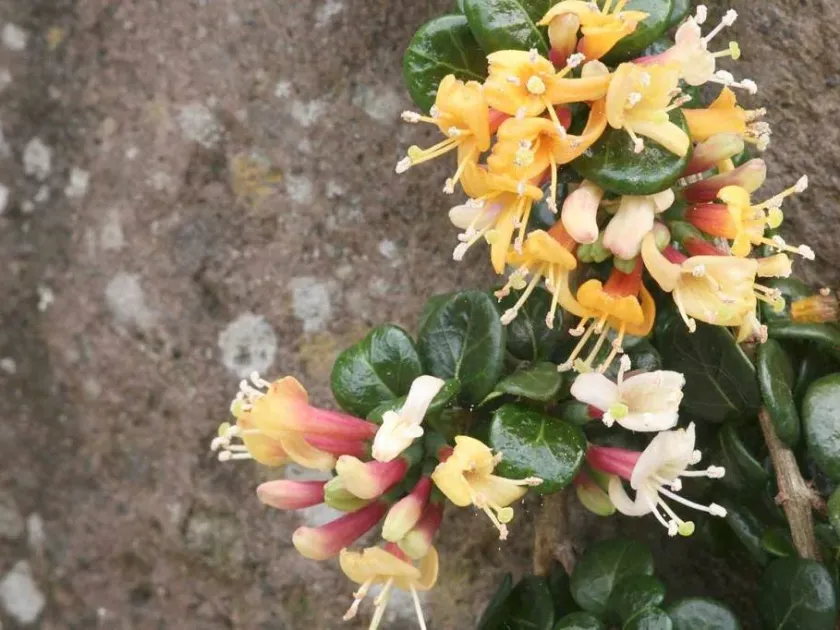
Description
Growing requirements
Thick-leaved honeysuckle (Lonicera crassifolia) is an exquisite evergreen groundcover belonging to the Caprifoliaceae family. It is distinguished by its creeping stems that form a dense, lush mat, making it an excellent choice for rock gardens and slope stabilization.
Originating from the mountainous regions of China, this species is naturally adapted to cool, humid environments. Its botanical morphology, characterized by thick, leathery leaves, is an evolutionary response to high-altitude climate conditions.
The plant thrives in well-drained, fertile soil with a neutral to slightly acidic pH. Proper soil aeration is crucial for the development of its shallow root system, and incorporating organic matter helps maintain necessary moisture levels throughout the growing season.
It prefers partial shade conditions, as intense direct sunlight can be harmful to its succulent-like foliage. Providing a protected spot with dappled light will ensure the plant remains vigorous and aesthetically appealing throughout the year.
Agricultural management involves consistent watering during dry periods, as the plant does not tolerate prolonged dehydration. Mulching is highly recommended to protect the root zone from temperature fluctuations and to suppress competitive weed growth.
Main diseases and pests
Like many species in the Lonicera genus, this plant can be susceptible to powdery mildew, especially when planted in areas with stagnant air and excessive humidity. Increasing airflow is the most effective cultural control method.
Pests such as aphids may occasionally infest young terminal growth. Monitoring is essential; if populations become significant, environmentally friendly soaps or neem-based oils can be applied to manage the infestation without harming beneficial insects.
Root rot is the most serious threat, typically triggered by waterlogged soil conditions. Proper site selection and avoiding heavy, compacted clay substrates are essential to preventing this fatal issue for the plant.
Fungal leaf spot diseases may appear during seasons of high precipitation. Keeping the foliage as dry as possible and removing infected leaves promptly helps in managing the spread of the pathogen within the groundcover patch.
General plant vigor depends on correct horticultural practices. A well-nourished, properly spaced crop is significantly more resilient to both biotic pressures and environmental stressors found in modern landscape installations.