
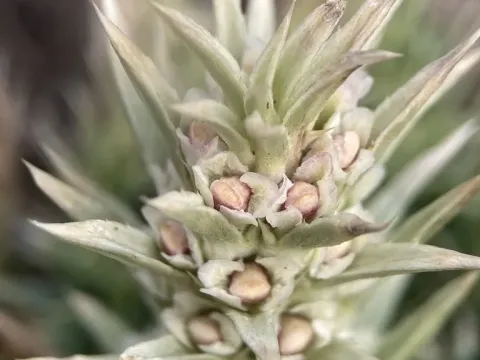
Morina
Morina
Sowing of Morina seeds is best performed in late autumn to allow for natural stratification in the soil. Seeds typically require exposure to low temperatures to break dormancy and ensure uniform germination in the following spring.
What the section contains


Morina
For spring sowing, seeds must be kept in moist, refrigerated conditions for at least four to six weeks before planting. Sowing depth should be shallow, approximately one centimeter, to provide the seeds with essential light exposure.
Using seedling trays in a controlled greenhouse environment is an effective method for small-scale cultivation. This allows for better management of initial growth stages and protects fragile young plants from environmental stress.
Transplanting should occur once the risk of frost has passed, usually in mid-spring. Care must be taken not to disturb the taproot, as Morina plants are sensitive to root damage during the transplanting process.
Spacing requirements are vital for the health of the crop, with plants needing at least 45 centimeters of room to develop fully. Proper spacing promotes airflow and minimizes the risk of humidity-related foliage diseases.
Morina is a genus within the Caprifoliaceae family, known for its spiny, thistle-like leaves and unique whorled flowers. It thrives in well-drained, gritty, and moderately alkaline soil conditions that mimic its native alpine habitats.
The plant demonstrates a strong preference for sunny locations where it can receive direct light for most of the day. In areas with high rainfall, creating a raised bed or adding significant amounts of drainage material is essential to prevent rot.
Fertilization should be kept to a minimum, as high nitrogen levels can promote excessive leafy growth at the expense of floral development. A light application of compost once a year is generally sufficient to maintain soil structure.
Temperature tolerance is high, as the species is native to mountainous regions in Asia. However, the root system must be protected from extreme, prolonged saturation, which is the primary cause of plant failure during winter.
Irrigation management is critical; while young plants need consistent moisture, mature specimens develop a degree of drought tolerance. It is always better to water at the base of the plant to keep the foliage dry and prevent fungal issues.
Root rot caused by Phytophthora species is the most significant threat to Morina plantations. It is often triggered by heavy soils that do not provide adequate oxygen to the roots, especially during the dormant season.
Aphids can be a recurring problem, particularly during the warm spring months when the flower stalks are developing. Monitoring is essential, and targeted treatment should be applied if colonies begin to deform the new growth.
Powdery mildew may affect the foliage if the plants are situated in areas with poor circulation or high humidity. Removing affected leaves and improving the physical spacing between plants are the best primary control measures.
Slugs are notorious for grazing on young seedlings and tender vegetative parts. Using organic barriers or physical traps around the perimeter of the plot can significantly reduce the damage caused by these pests.
In cases where environmental conditions remain unfavourable, such as excessive moisture, plants may become susceptible to secondary opportunistic bacterial infections. Maintaining strict field hygiene and removing debris is key to long-term crop health.