
Many-flowered honeysuckle
Lonicera floribunda
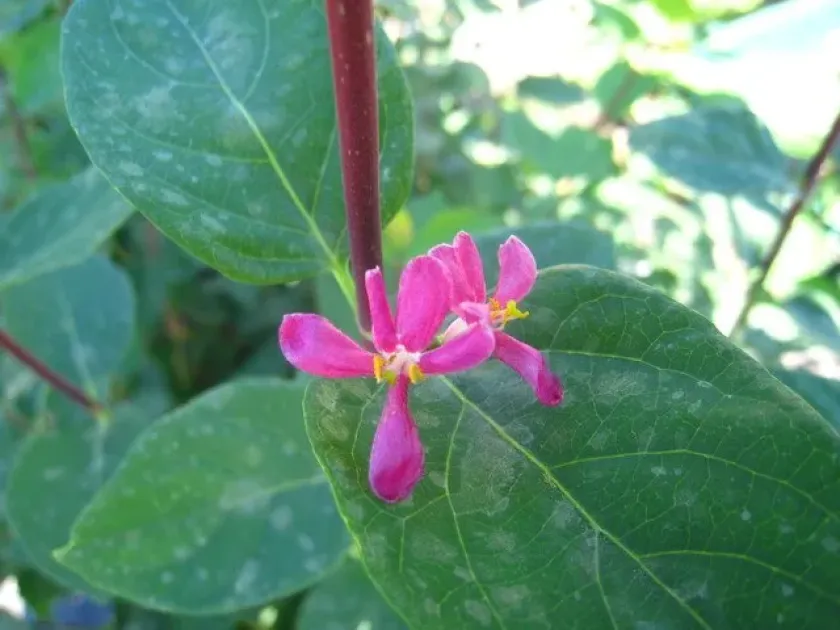
Description
Growing requirements
Many-flowered honeysuckle (Lonicera floribunda) is a deciduous shrub belonging to the Caprifoliaceae family. Native to the mountainous regions of Asia, this plant thrives in woodland margins and areas with moderate soil moisture, displaying significant adaptability to various climates.
The cultural requirements center on providing well-drained soil with a slightly acidic to neutral pH. It is crucial to avoid waterlogged environments, which can lead to root rot; therefore, planting on slightly elevated mounds or incorporating organic matter is recommended for heavy clay soils.
Climatic adaptability is one of its strengths, as the species is relatively hardy. However, optimal growth is achieved in zones where it receives adequate chilling hours in winter followed by a temperate growing season with reliable moisture levels during the spring flush.
Agricultural practices should prioritize consistent mulch layers to regulate soil temperature and minimize weed competition. Fertilization should be targeted, using balanced slow-release nutrients applied at the onset of vegetative growth to support robust branch development and flowering.
Exposure requirements involve partial sun to full sun, depending on the intensity of the summer heat. In warmer regions, morning sun and afternoon shade provide the ideal balance, ensuring the plant retains its vigor and foliage quality throughout the heat of the season.
Main diseases and pests
Lonicera floribunda is susceptible to several common fungal pathogens, with powdery mildew being the most frequent concern. High humidity and poor airflow around the shrub create conditions conducive to fungal spore germination on the leaves.
Insect pests, particularly aphids and leaf miners, can damage new growth. Aphids feed on sap, often causing leaf curling, while leaf miners create unsightly tunnels, both of which can lead to premature leaf drop if infestations are left unchecked.
Management strategies involve a combination of cultural practices and targeted chemical interventions. Pruning for airflow and sanitation is essential to mitigate the risk of fungal spread and to remove overwintering sites for various insect pests.
Biological controls, such as introducing beneficial insects like ladybugs, can effectively manage aphid populations in a sustainable garden setting. For persistent infestations, horticultural oils or systemic insecticides may be necessary to ensure plant longevity.
Consistent monitoring of the shrub throughout the growing season allows for early detection of potential threats. By maintaining a clean environment and healthy soil profile, the susceptibility of the plant to stressors is significantly reduced over time.