
Lonicera tenuipes
Lonicera tenuipes
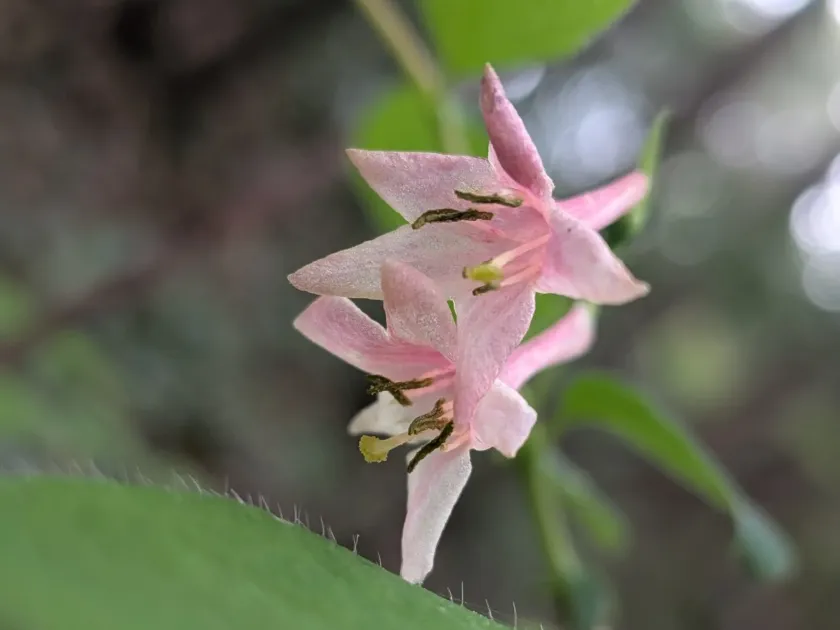
Description
Growing requirements
Lonicera tenuipes, commonly known as the thin-stalked honeysuckle, is a deciduous shrub belonging to the Caprifoliaceae family. It is native to the mountainous regions of Honshu, Japan, which contributes to its notable resilience and adaptation to varying temperate climates.
The botanical profile of this species includes slender, graceful branches and small leaves, making it a highly valued ornamental plant for specialized garden designs. Its compact growth habit and elegant appearance make it suitable for various landscape applications.
Successful cultivation of this shrub requires fertile, well-draining loamy soils with a neutral to slightly acidic pH level. The plant thrives best in semi-shaded locations that are protected from intense, drying winds, although it can adapt to sunny spots with sufficient moisture.
Agricultural management involves regular mulching to maintain soil moisture and consistent organic fertilization during the early spring growth phase. Pruning is essential to remove damaged wood and maintain the aesthetic structure of the shrub, promoting vigorous health.
In terms of economic and practical use, Lonicera tenuipes is primarily cultivated as an ornamental plant in botanical collections. However, it also serves as valuable genetic material for breeding programs aiming to develop hardier and more productive varieties of edible honeysuckles.
Main diseases and pests
The primary health threats for this species include fungal infections such as powdery mildew, which often occur in poorly ventilated areas or under high humidity. Maintaining proper spacing between bushes and applying effective fungicides can prevent significant damage to foliage.
Typical pests affecting this shrub include aphids and the honeysuckle fruit fly. Regular monitoring of the plant canopy is necessary to detect infestations early, followed by the application of targeted pest control measures to maintain the bush's overall vitality.