
Lonicera xylosteoides
Lonicera xylosteoides
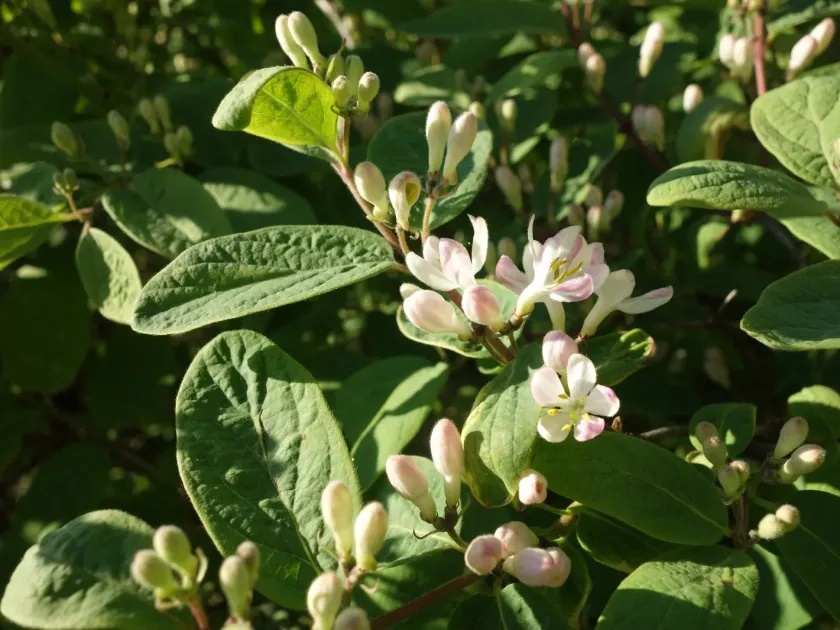
Description
Growing requirements
Lonicera xylosteoides is a hardy hybrid shrub belonging to the Caprifoliaceae family. It is a crossbreed derived from Lonicera xylosteum and Lonicera tatarica, combining resilience with high ornamental value.
This species thrives in a wide range of climatic conditions, showing remarkable frost tolerance. It prefers open, sunny locations but exhibits great success in partial shade environments, which makes it highly adaptable for urban greening.
In terms of soil, the plant grows best in nutrient-rich, loamy substrates with a neutral to slightly alkaline pH. It demonstrates a high level of tolerance to different soil textures provided there is adequate drainage.
The agrotechnical routine includes supplemental watering during dry spells, especially during the initial establishment phase. As the shrub matures, its root system becomes deep and efficient at accessing ground moisture.
Cultivation is primarily focused on landscape design, where this shrub is widely used for creating durable and attractive hedges. It responds very well to regular pruning, which encourages dense foliage development.
Main diseases and pests
Common health issues for this shrub include powdery mildew, a fungal condition that can occur during periods of high humidity and poor air circulation within the shrub's canopy.
Pests such as aphids and leaf-rollers are frequent visitors that can feed on tender young growth, potentially reducing the visual appeal of the foliage during the summer months.
Integrated pest management, including the use of targeted insecticides, is recommended for controlling infestations. Early spring applications are usually the most effective against egg-laying cycles.
Cultural practices like proper pruning to remove dead wood and overcrowded branches play a crucial role in preventing disease outbreaks and promoting overall plant health.
Maintaining clear surroundings and avoiding excessive overhead irrigation can significantly help in mitigating the risks posed by both fungal pathogens and various insect pests.