
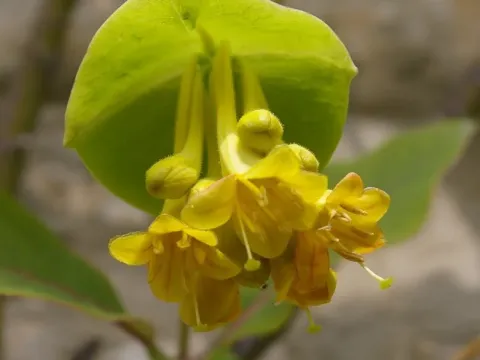
Lonicera subaequalis
Lonicera subaequalis
Lonicera subaequalis is a deciduous shrub belonging to the Caprifoliaceae family. Native to the mountainous regions of China, this plant is known for its adaptation to specific highland microclimates.
What the section contains
Lonicera subaequalis
The species thrives in temperate climates where seasonal changes are distinct. It exhibits significant frost hardiness, which is a key characteristic inherited from its natural high-altitude distribution area.
Ideal soil conditions for this honeysuckle involve well-drained, loamy substrates with a neutral to slightly acidic pH. Proper drainage is crucial to prevent root rot, as the plant cannot tolerate waterlogged soils for extended periods.
Agricultural management includes placing the shrubs in areas with filtered sunlight or partial shade. This helps to protect the foliage from heat stress during the peak of summer while providing enough energy for healthy development.
Botanically, the plant is characterized by its distinct floral morphology and shedding bark on mature stems. It serves primarily as a subject of botanical study and niche breeding programs rather than widespread commercial cultivation.
The most common disease affecting Lonicera subaequalis is powdery mildew, which typically appears during humid, poorly ventilated conditions, impacting the overall vigor of the plant.
Pest pressure often comes from aphids and leaf-rollers, which feed on succulent new growth, potentially stunting the development of the shrub throughout the growing season.
To mitigate these threats, growers should maintain strict hygiene by removing fallen leaves and pruning away infected branches to improve air circulation within the canopy.
Integrated pest management strategies, such as the use of horticultural oils or organic insecticidal soaps, are recommended for managing initial pest outbreaks during the spring months.
Ensuring the plant has adequate space during planting is a fundamental preventative measure that reduces the likelihood of rapid disease spread and competition for resources among neighbouring plants.