
Persian Morina
Morina persica
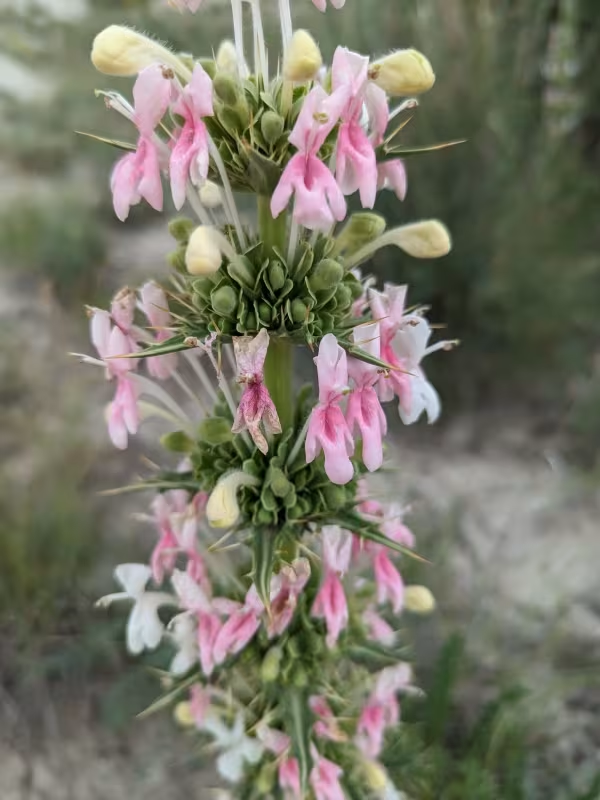
Description
Sowing dates
Sowing seeds of Morina persica is most effective in late autumn to allow for natural stratification, which is essential for breaking seed dormancy.
If spring sowing is planned, seeds must be stratified in a cold environment at temperatures between 2 and 5 degrees Celsius for at least six weeks.
Seeds should be covered with a very thin layer of substrate, no more than 1 centimeter deep, as exposure to light encourages the germination process.
When transplanting seedlings to an open field, it is crucial to handle the root system with extreme care, as it is sensitive to disturbance.
Proper spacing is a vital aspect of sowing, requiring at least 40 centimeters between plants to promote healthy air circulation and reduce disease risk.
Growing requirements
Morina persica is a distinctive perennial plant belonging to the Caprifoliaceae family, recognized for its whorled leaves and tubular, multi-colored flowers.
The plant thrives in rocky, well-draining soils and is naturally adapted to the mountain slopes of Central Asia and the Caucasus region.
High soil permeability is the primary requirement for successful cultivation, as the species is highly susceptible to root rot in waterlogged conditions.
While the plant is highly cold-hardy, it requires full sun exposure throughout the day to ensure structural integrity and prolific flowering during the season.
Maintenance involves minimal irrigation, focusing on providing moisture only during extended dry spells while ensuring the soil remains light and airy.
Main diseases and pests
Root rot is the most common threat to this culture, usually caused by poor drainage or excessive soil moisture during the dormant winter months.
Fungal infections such as powdery mildew can affect the foliage, especially in climates with high humidity and poor ventilation among the plants.
Pests like aphids and spider mites may target the tender flower stalks, causing stunted growth and reducing the overall ornamental value of the plant.
Integrated pest management strategies are recommended, focusing on maintaining plant vigor through proper site selection and avoiding excessive nitrogen fertilization.
Regular monitoring for early signs of distress, such as leaf yellowing or stunted development, allows for timely intervention using organic control methods.