
Morina longifolia
Morina longifolia
Description
Sowing dates
Seeds of Morina longifolia should be sown in autumn to allow for a natural cold stratification period during winter. This process is essential for overcoming the seed's dormancy and ensuring a successful germination rate in early spring.
If sowing in the spring, store the seeds in a refrigerator for at least 4–6 weeks to mimic winter conditions. Use a light, well-draining seed-starting mix to prevent damping off, which is common in many alpine species.
Sow seeds shallowly on the surface, as they require light to germinate effectively. Cover them with a very thin layer of fine grit or vermiculite to maintain surface moisture while ensuring adequate oxygen levels for the emerging embryos.
Maintain consistent moisture until germination occurs, which can take anywhere from three to eight weeks. Once the seedlings reach the size of a few leaves, carefully transplant them into individual deep pots to accommodate their sensitive taproots.
Allow the young plants to establish a strong root system before planting them into their final outdoor location. Young specimens should be hardened off gradually to withstand direct sunlight and wind exposure.
Growing requirements
Morina longifolia, belonging to the Caprifoliaceae family, originates from the high-altitude meadows of the Himalayas. Consequently, it thrives in cool climates and requires excellent drainage to survive and flourish in garden conditions.
The ideal planting site should receive full sun to partial shade. The soil must be gritty, lean, and neutral to slightly alkaline. Avoid heavy or clay-rich soils, as they retain too much water, which causes root rot during the dormant winter period.
The plant is known for its high drought tolerance once established, making it a perfect candidate for rock gardens and xeriscapes. However, consistent watering during the peak flowering season will result in more vibrant and longer-lasting blooms.
Provide protection from excess winter moisture by using a layer of dry gravel around the root crown. This helps prevent moisture-induced decay during freezing and thawing cycles typical of temperate winters.
Maintain a clean growing area by weeding regularly. Because the plant has a slow growth rate initially, competition from aggressive weeds can easily stunt its development and lead to poor health or failure to bloom.
Yield
As an ornamental crop, the productivity of Morina longifolia is valued by the number of architectural flower spikes produced annually. A healthy, mature plant can produce multiple spikes, each reaching up to 90 cm in height.
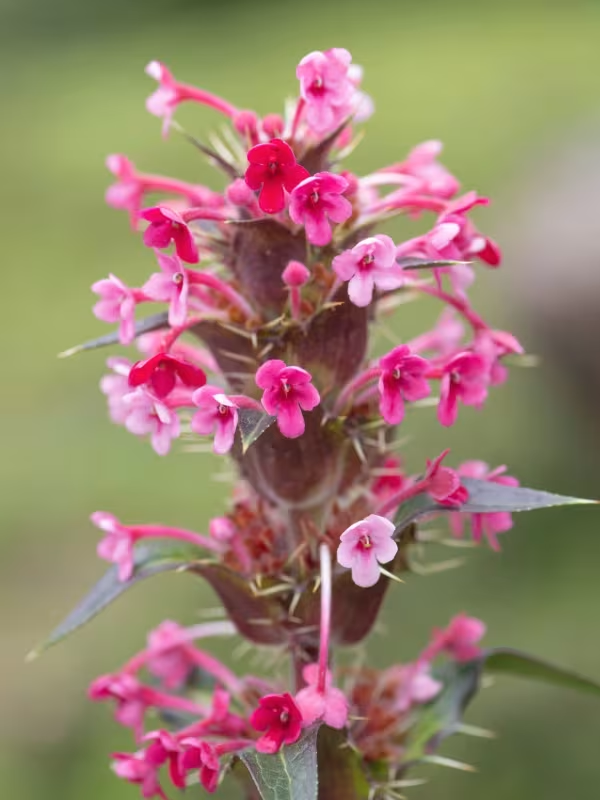
The plant is highly regarded in the flower industry for its unique, color-changing flowers that transition from pale pink to a deep reddish-crimson, providing visual interest throughout the late summer season.
Seed production is consistent and reliable. Collecting seeds after they have fully ripened in the seed capsules allows for the expansion of your collection without the need for constant purchase of new nursery stock.
To maximize the aesthetic yield, gardeners often deadhead spent flowers to prevent the plant from putting energy into seed production. This strategy encourages a more robust vegetative growth for the subsequent season.
Morina is excellent for use in dried flower arrangements if harvested at the right maturity stage. The structure of the flower stalk remains rigid even after drying, making it a versatile decorative botanical.
Main diseases and pests
The most significant threat to Morina longifolia is water-logged soil, which leads to crown rot and fungal root pathogens. Ensuring a sharp drainage system at the planting site is the most effective way to prevent these issues.
Slugs and snails pose a danger to the succulent basal leaves, especially in early spring. Protecting young plants with physical barriers or eco-friendly deterrents is necessary to prevent significant foliage damage.
While generally pest-resistant, indoor or greenhouse-grown specimens might occasionally face infestations of aphids or spider mites. Regular ventilation is key to keeping these pests at bay in confined environments.
Fungal diseases like powdery mildew can appear during seasons with poor air circulation or high humidity. Treating with mild sulfur-based fungicides can help control outbreaks before they spread to the entire plant.
By providing adequate space between individuals during planting, you minimize the risk of humidity traps and ensure that the plant has the airflow it needs to remain disease-free throughout the year.