
Morina nepalensis
Morina nepalensis
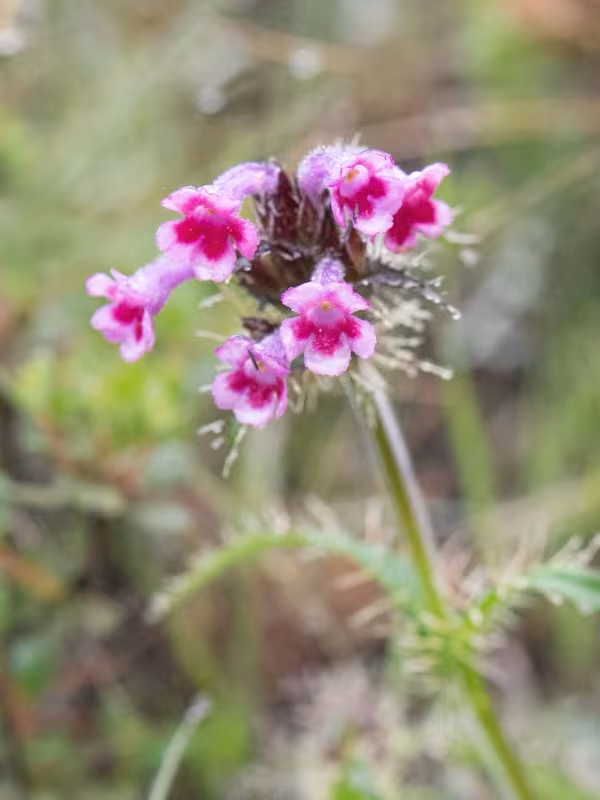
Description
Growing requirements
Morina nepalensis is a distinctive herbaceous perennial belonging to the Caprifoliaceae family. Originating from the high-altitude meadows of the Himalayas, it is highly valued by gardeners for its architectural form and unique, thistle-like appearance.
The plant thrives in well-draining, gritty, or sandy soil types. It is essential to ensure that the growing site prevents waterlogging, as the roots are susceptible to rotting during wet winters or if planted in heavy, clay-based soil without proper amendments.
Optimal conditions include full sun exposure, which encourages stronger growth and more profuse flowering. While the species is naturally adapted to cold climates, providing a layer of mulch or protection from extreme winter wetness is beneficial for overwintering success.
In ornamental horticulture, Morina nepalensis is primarily used as a specimen plant in rock gardens or gravel beds. Its ability to tolerate challenging soil conditions makes it a robust choice for xeriscaping and sustainable garden design.
Botanically, it forms a basal rosette of prickly, deeply incised leaves and produces tall, upright spikes of whorled flowers. These blooms often shift in color as they mature, providing a dynamic display throughout the flowering season.
Main diseases and pests
Root rot is the most significant threat to this species, typically caused by poorly drained soil or excessive moisture accumulation during dormant periods. Ensuring excellent drainage is the primary defense strategy for growers.
Slugs and snails can cause damage to young, tender foliage during the early spring growth phase. Implementing physical barriers or organic pest control methods is recommended if populations become problematic.
While generally resistant to severe diseases, overcrowding can lead to poor air circulation, potentially promoting powdery mildew on the leaves. Thinning out plants helps to maintain a healthy microclimate.
Nutrient imbalance, particularly in overly acidic soils, can lead to chlorosis and stunted growth. Periodic soil testing and balancing pH levels toward neutral is advisable for optimal health.
Deadheading spent flower stalks is recommended to keep the plant tidy and prevent potential fungal infections that can enter through decaying organic matter near the crown of the plant.