
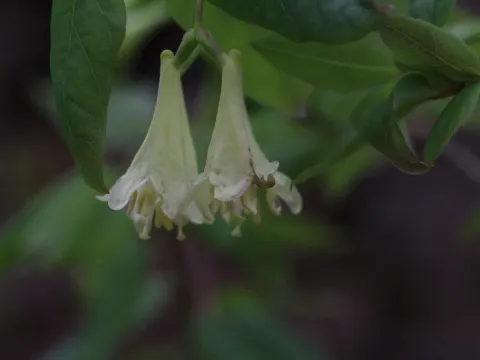
American fly honeysuckle
Lonicera canadensis
American fly honeysuckle (Lonicera canadensis) is a deciduous shrub belonging to the Caprifoliaceae family. Native to the woodlands of eastern North America, this plant is well-known for its hardiness and ability to thrive in various temperate environments, making it a reliable choice for landscaping and conservation efforts.
What the section contains
American fly honeysuckle
This species performs best in rich, moist, and well-draining soils. While it can adapt to diverse soil textures, it shows a preference for slightly acidic to neutral loams. Proper site selection should mimic its natural understory habitat, providing shelter from harsh, direct sunlight and intense winds.
In terms of climate requirements, Lonicera canadensis is highly cold-tolerant, capable of enduring freezing winter temperatures without significant damage. It thrives in regions with clear seasonal transitions, provided that the soil is kept relatively moist during the spring and summer active growth phases.
Cultural practices include periodic mulching to conserve soil moisture and suppress weed competition. While the plant is relatively low-maintenance, supplemental irrigation may be necessary during extended dry spells to prevent premature leaf drop and ensure healthy development of the current season's wood.
Pruning is usually limited to light maintenance. Removing dead or crossing branches in late winter or early spring encourages a healthy structure and ensures adequate light penetration to the inner canopy, which is essential for preserving the plant's overall vigor and aesthetic appeal.
The shrub is generally resilient, but it can be susceptible to powdery mildew during periods of high humidity and poor air circulation. Managing plant density and ensuring sufficient spacing between specimens helps reduce the humidity around the foliage, significantly lowering the risk of fungal infections.
Insect pests such as aphids and spider mites can occasionally affect the vitality of the plant by feeding on succulent new growth. Routine monitoring of the undersides of the leaves allows for the early detection of these pests, enabling targeted treatment with appropriate horticultural oils or soaps.
Leaf-eating insects, such as various caterpillars, may occasionally cause cosmetic damage. While usually not lethal to established bushes, severe infestations should be managed with manual removal or low-toxicity insecticides to maintain the plant's health and foliage quality throughout the growing season.
Proper sanitation is a critical component of disease control. Removing and destroying infected plant debris in the autumn prevents the overwintering of fungal spores and pest pupae, thereby reducing the inoculum for the following spring. Maintaining plant hygiene is paramount for long-term health.
A balanced fertilization regimen, particularly focusing on phosphorus and potassium before the onset of dormancy, enhances the plant's structural integrity. This approach improves the shrub's ability to withstand environmental stress and decreases its vulnerability to common pests and pathogens.