
Alpine scabious
Cephalaria alpina
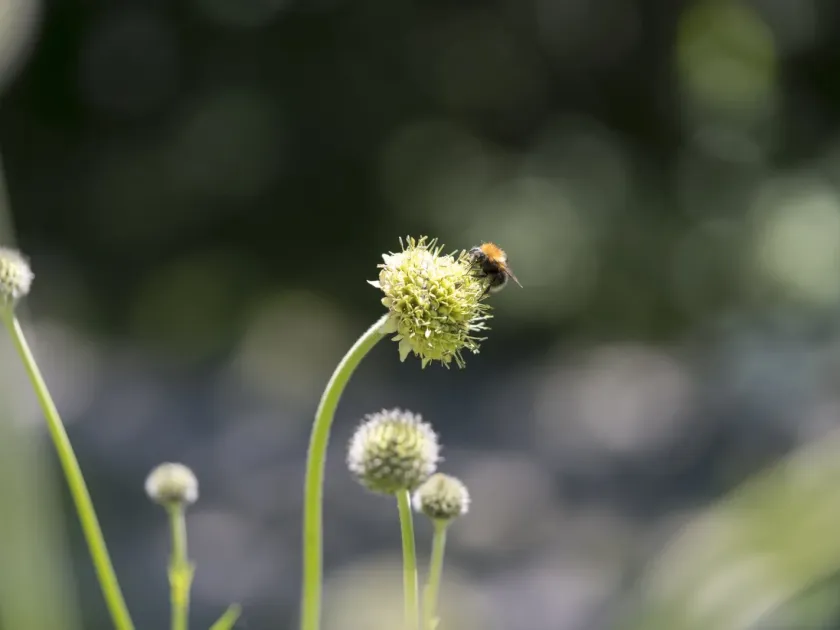
Description
Sowing dates
Sowing Alpine scabious is most successful when seeds are planted in late autumn, allowing for a natural cold stratification process during winter months.
If sowing in the spring, seeds must be cold-stratified in a refrigerator for at least six weeks to break dormancy and ensure uniform germination.
Seeds should be covered lightly with a thin layer of fine soil, as they require a minimal amount of light and consistent moisture to sprout effectively.
Thinning the seedlings is essential to maintain proper spacing, ideally 40 to 50 centimeters apart, to prevent overcrowding and allow the plants to develop fully.
Germination typically occurs within three weeks if soil temperatures remain stable and the environment is kept damp but not waterlogged.
Growing requirements
Alpine scabious is a robust perennial member of the Caprifoliaceae family, naturally adapted to the harsh conditions of alpine meadows and scree slopes.
The plant thrives in full sun, which is necessary to maintain the structural integrity of its tall stems and to ensure vibrant flower production throughout the season.
Well-draining, slightly alkaline soil is preferred; the plant is highly sensitive to root saturation and will quickly decline in boggy or overly heavy clay soils.
Once established, the species demonstrates remarkable drought tolerance, making it an excellent choice for low-maintenance perennial borders or rock gardens.
It is fully hardy in moderate climates, with the root system capable of surviving extreme winter temperatures without the need for additional protective covering.
Yield
As a highly productive late-summer nectar plant, Alpine scabious is favored by apiarists and gardeners looking to support pollinator populations.
The total nectar production per square meter is substantial, provided the plants receive sufficient sunlight and are protected from excessive wind damage.
Seed yield is consistent across mature plants, with a single healthy specimen capable of producing thousands of seeds per season under favorable growing conditions.
Managing the plant to encourage successive blooming increases the overall utility of the patch as a continuous forage source for bees and butterflies.
The longevity of the species ensures high yields over several years, as the plant increases in size and flowering capacity with each passing season.
Main diseases and pests
The primary concern for Alpine scabious is the development of fungal infections, particularly powdery mildew, when airflow is restricted in humid environments.
Root rot represents the most significant threat to plant health, usually resulting from poor drainage or excessive irrigation during the dormant season.
Aphids can occasionally colonize the young, succulent stems in spring, potentially spreading viral pathogens if infestations are not managed early.
Maintaining proper distance between plants in a garden setting is the most effective biological defense against the rapid spread of localized pathogens.
Regular monitoring of foliage color and stem health allows for prompt intervention before minor pest issues escalate into plant-wide problems.
Harvesting
Seed harvesting should be performed when the flower heads have fully dried and turned a dark brown color, indicating maturity of the seeds.
The harvested seed heads should be left to dry in a ventilated area for several days to prevent the moisture inside from causing post-harvest fungal growth.
For ornamental or dried floral arrangements, stems should be cut when the flowers are fully open, then hung upside down in a dark, airy place.
Pruning the base of the plant to within a few centimeters of the ground after the first frost helps direct the plant's energy into the rootstock.
Properly cleaned and dried seeds can be stored in airtight glass containers in a cool, dark location to maintain high germination rates for up to three years.