
Alpine valerian
Valeriana saliunca
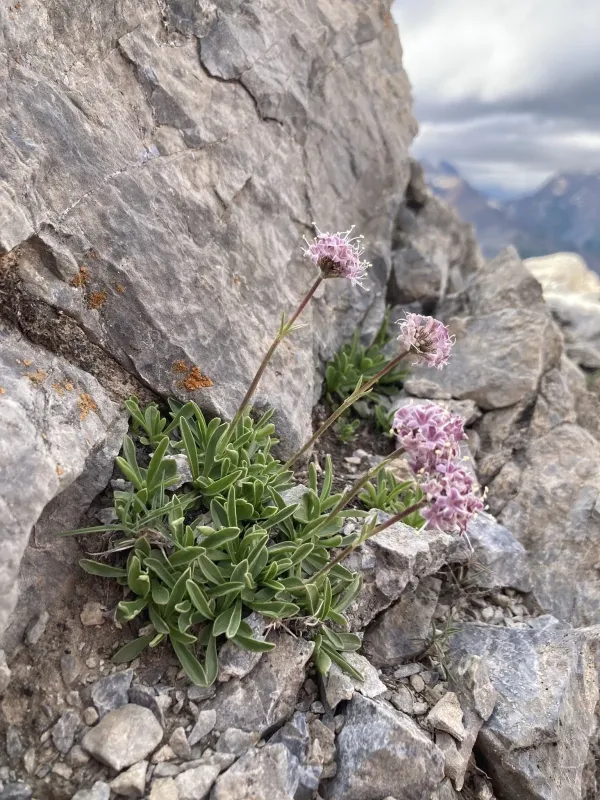
Description
Sowing dates
Alpine valerian seeds are typically sown during the spring period when soil temperatures reach 10–12°C, or during late autumn to allow for natural stratification.
For successful germination, the seeds require a period of cold exposure, making early spring sowing the most effective method for achieving uniform seedling emergence.
The sowing depth must be kept shallow, as the seeds are extremely small and rely on light exposure to initiate their development during the initial growth phase.
It is recommended to use row spacing of approximately 45 cm to ensure adequate space for weeding operations and maintenance during the active vegetation season.
After sowing, the soil surface should be lightly pressed to improve seed-to-soil contact, ensuring stable moisture levels during the first weeks of growth.
Growing requirements
Alpine valerian is a perennial herbaceous plant belonging to the Caprifoliaceae family, specifically adapted to the harsh conditions of high-altitude mountain meadows.
The crop thrives in well-drained, calcareous, or rocky soils with moderate acidity, mirroring the environmental conditions of its natural native habitat.
This species exhibits high frost resistance and can tolerate extended periods of low temperatures, making it suitable for cultivation in cool, alpine-like climates.
It requires open, sunny locations, as shading significantly reduces the synthesis of biologically active compounds within the plant's root system.
Soil moisture must be strictly managed; the crop is highly sensitive to waterlogging, which rapidly leads to root rot and the loss of the plantation.
Main diseases and pests
The primary threats to Alpine valerian include fungal diseases that flourish under conditions of excessive moisture and poor aeration, such as powdery mildew.
Root rot is the most common pathology affecting the crop when irrigation protocols are not followed or the soil drainage is insufficient for the plant.
Wireworms pose a significant risk as they damage the underground parts of the plant, necessitating careful soil inspection before establishing a new field.
Leaf rollers may occasionally infest the foliage, reducing the overall vigor of the plant and diminishing the potential yield of medicinal raw material.
Preventative measures include regular crop rotation, consistent soil aeration between rows, and maintaining proper soil structure to prevent compaction.
Harvesting
The harvesting of Alpine valerian roots should be performed during the second or third year, when the concentration of essential oils is at its peak.
Autumn is the optimal season for harvesting, as the aerial parts of the plant begin to wither and nutrients are concentrated within the root system.
Roots are carefully excavated, cleaned of soil debris, and washed thoroughly in cold running water to prepare them for the necessary drying process.
Drying must be conducted in specialized facilities at temperatures not exceeding 40°C to preserve the integrity of the essential oils and alkaloids.
Following the drying process, the raw material is processed and stored in airtight containers to prevent the loss of volatile compounds during storage.