
Amur valerian
Valeriana amurensis
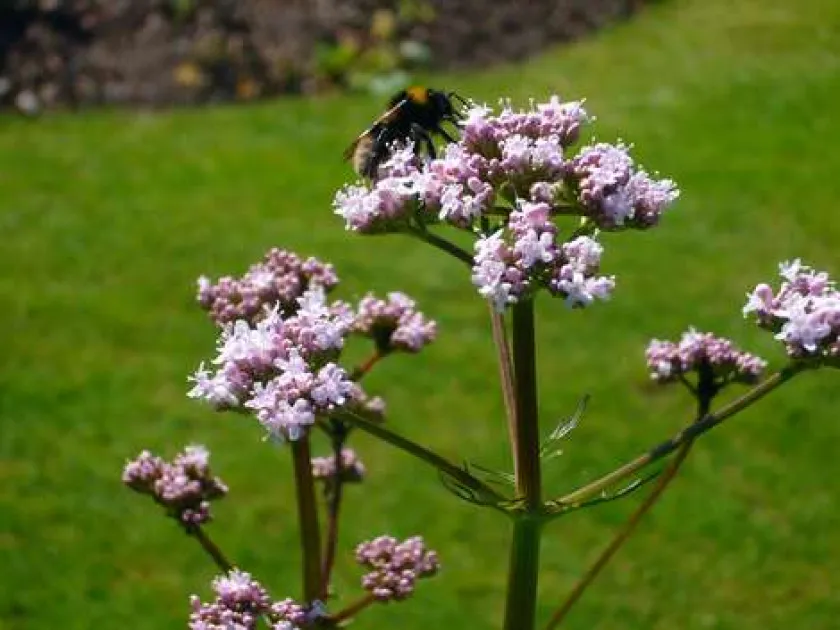
Description
Sowing dates
Amur valerian (Valeriana amurensis) belongs to the Caprifoliaceae family and is recognized for its significant medicinal potential as a hardy herbaceous plant.
The optimal method for propagation is sowing seeds in late autumn, which allows for natural stratification during the winter months, improving germination rates in spring.
If sowing is planned for spring, seeds must undergo cold stratification in a refrigerator or a cold frame for 4-6 weeks before planting to break dormancy.
Due to the small size of the seeds, they should be sown shallowly, barely covered with soil, and placed in areas with adequate light to stimulate the germination process.
Maintaining consistent soil moisture is crucial during the first month; seedlings require regular light misting until they develop a strong root system and secondary leaves.
Growing requirements
This species thrives in nutrient-rich, moisture-retentive soils, ideally with a high organic matter content, such as well-decomposed compost or peat-amended loams.
Amur valerian is a shade-tolerant plant that prefers semi-shaded environments, making it an excellent choice for cultivation under forest canopies or artificial screens.
The plant demonstrates significant resilience to cold temperatures, being well-adapted to regions with harsh winters and requiring no protection during the dormancy phase.
Water management is the most critical factor in agronomy; the soil should never be allowed to dry out completely, as this stunts root development and reduces oil quality.
While tolerant of various soil types, avoid heavy clay or overly sandy soils that either waterlog the plant or fail to hold necessary nutrients for its development.
Yield
Yields of Amur valerian are generally at their peak in the second year of growth, which is when the plant's root system is most developed and mature.
Producers can expect an average yield of approximately 1.5 to 2.5 tonnes of dried root material per hectare, provided the crop is well-maintained and weed-free.
To maximize root biomass, it is recommended to pinch off the flower stalks during the first growing season, preventing energy wastage in seed production.
The chemical quality of the roots, specifically the concentration of valerenic acid and essential oils, depends largely on climate conditions and harvest timing.
Regular monitoring of plant vigor is necessary, as density and nutrient availability directly influence the final yield per square meter of cultivated land.
Main diseases and pests
The most frequent threats to this crop include fungal infections like powdery mildew, which can significantly damage foliage if humidity remains too high.
Root rot caused by poor soil drainage remains a major risk, necessitating proper site selection and the use of raised beds if soil compaction is present.
Pests like aphids can colonize the plant during summer; however, biological control methods are preferred to preserve the medicinal purity of the harvested roots.
Crop rotation is essential for long-term health; the soil should not host valerian more than once every four to five years to avoid the buildup of soil-borne pathogens.
Weed control is vital in the early growth stages, as the plant is slow to establish and can easily be outcompeted by aggressive weeds in the surrounding area.
Harvesting
Harvesting should occur in the autumn of the second year, once the leaves have begun to yellow and wither, indicating that nutrients have migrated into the roots.
Roots are excavated using specialized machinery or manual labor, immediately cleaned of dirt, and washed thoroughly with clean, cold water to remove impurities.
The drying process is highly delicate; roots must be dried at temperatures below 40 degrees Celsius to avoid the degradation of sensitive volatile compounds.
After reaching the desired moisture content, the roots should be stored in airtight containers in a cool, dark place to maintain their therapeutic potency.
Proper storage is the final step in ensuring high-quality product, as exposure to heat or light can rapidly diminish the medicinal value of the dried roots.