
Bell honeysuckle
Lonicera bella
Description
Growing requirements
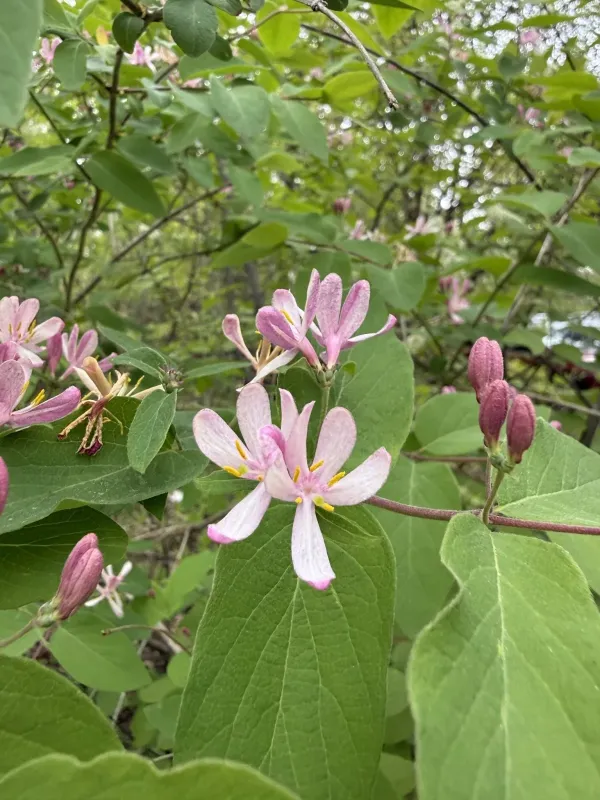
Bell honeysuckle (Lonicera bella) is a vigorous, deciduous shrub belonging to the Caprifoliaceae family. It is a known hybrid originating from the cross between Lonicera morrowii and Lonicera tatarica, widely favored for its resilience and ornamental value.
The plant thrives in a variety of soil conditions, ranging from well-drained loams to more clay-heavy substrates. While it shows a preference for full sun exposure, it demonstrates remarkable adaptability to partial shade conditions in urban landscapes.
Climatically, Lonicera bella is highly robust, exhibiting excellent winter hardiness across diverse temperate zones. Once established, the shrub displays high tolerance to drought, though supplemental watering is beneficial during the initial growth stages.
Agricultural practices for this species focus on proper site preparation and spacing, especially when intended for hedges. Regular maintenance includes dormant season pruning to encourage bushiness and sustain the desired structural density of the hedge.
Its primary use is in landscaping as a hedging plant, screen, or windbreak. The rapid vegetative growth makes it a preferred choice for quick coverage in parks, gardens, and along industrial site borders for aesthetic improvement.
Main diseases and pests
Aphids represent the most frequent pest challenge, typically infesting the tender shoots during the spring growth flush. Infestations can cause significant leaf curling, necessitating prompt horticultural soap or systemic insecticide application.
Mites, particularly spider mites, may thrive in hot, arid conditions, leading to foliage discoloration and premature leaf drop. Maintaining proper soil moisture and periodic canopy cleaning can help mitigate these pest pressures.
Powdery mildew is a common fungal threat, particularly in environments with poor air circulation and high relative humidity. Ensuring sufficient spacing between individual shrubs is a critical cultural practice to prevent outbreaks.
Leaf spot diseases, often caused by various fungal pathogens, can manifest during prolonged wet weather. Managing water runoff and removing fallen infected leaves are effective sanitation strategies for long-term health.
Overall plant vitality is highly dependent on effective thinning cuts, which promote airflow and light penetration through the dense foliage, ultimately reducing the incidence of most biotic and abiotic stresses.