
Basalt scabious
Knautia basaltica
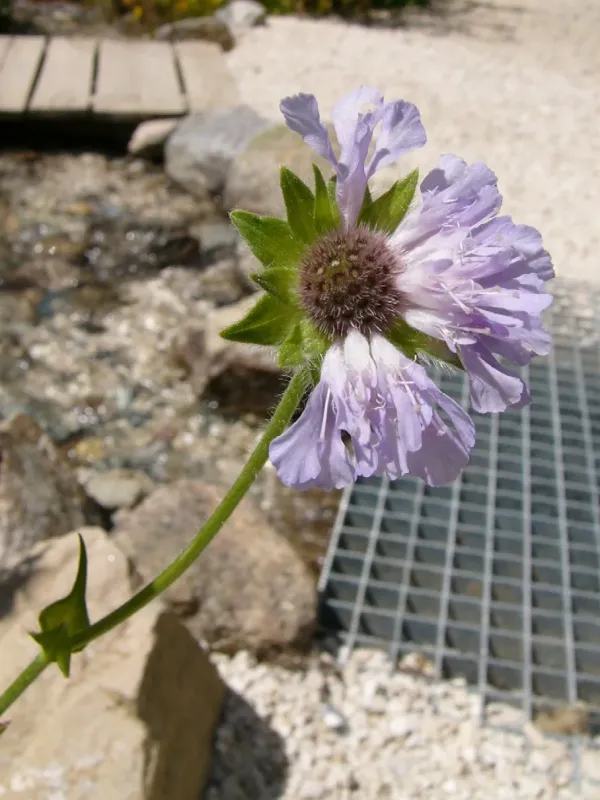
Description
Sowing dates
Basalt scabious (Knautia basaltica) belongs to the Caprifoliaceae family. It is best propagated by sowing seeds in the autumn to benefit from natural winter stratification, which enhances germination rates in early spring.
When spring sowing is preferred, seeds should be sown in a light, well-draining seed-starting mix. The depth of sowing should be shallow, approximately 0.5 to 1 centimeter, to ensure proper light exposure for the seeds.
Keeping the substrate consistently moist but not waterlogged is critical during the initial germination phase. Once seedlings reach a height of 5–10 centimeters, they can be carefully hardened off.
Transplanting into the permanent garden site should be done with care to minimize root disturbance. Proper spacing of 30–40 centimeters is recommended to allow for optimal airflow and prevent overcrowding.
Once established, the species often performs well with self-seeding, making it a low-maintenance addition to naturalized garden areas or meadow-style plantings.
Growing requirements
This species thrives in well-drained, fertile soils with a neutral or slightly alkaline pH. As indicated by its common name, it shows a preference for soils derived from basaltic or limestone parent materials.
Full sun is essential for the healthy growth and abundant flowering of this plant. In shady conditions, the stems tend to etiolate and become weak, which reduces the overall ornamental and biological value.
While relatively drought-tolerant once established, supplemental irrigation during prolonged dry spells is beneficial for sustaining growth and ensuring vibrant, long-lasting blossoms throughout the season.
The plant is highly adaptable to various climatic zones and demonstrates excellent cold hardiness. It does not require special winter protection in regions with standard temperate winter conditions.
Maintenance is minimal, consisting mainly of removing dead biomass in early spring to encourage new growth. Fertile soil generally does not require additional fertilization, but poor soils may benefit from balanced feeding.
Yield
Basalt scabious is widely recognized for its high nectar-producing capacity, making it a critical resource for local pollinator populations, including bees and butterflies.
In agricultural settings, it is often included in meadow restoration mixes, contributing to soil stability and increasing the overall biodiversity of the ecosystem due to its deep root system.
The plant is valued for its extended flowering season, providing a steady food supply for beneficial insects from early summer well into autumn, which aids in supporting integrated pest management programs.
Though not typically cultivated for forage, its presence in grasslands increases the nutritional complexity of the hay crop, contributing to the health of herbivores grazing on diverse meadows.
It serves as an excellent companion plant in landscape architecture, providing a structural yet wild aesthetic that works well in both cottage gardens and large-scale naturalistic planting schemes.
Main diseases and pests
Aphids are the most common pests, particularly during hot and dry spells. Controlling them involves encouraging predatory insects or using gentle insecticidal soaps to avoid harming beneficial pollinators.
Powdery mildew is a significant risk in humid or poorly ventilated locations. To prevent this, ensure that there is adequate space between plants and avoid overhead watering in the evenings.
Root rot caused by stagnant water is a threat to the plant's longevity. Implementing effective drainage systems in heavy clay soils is a crucial agronomic requirement for successful cultivation.
Leaf-eating beetles may occasionally damage the foliage, though usually, this does not require chemical intervention if the plant's vigor is high. Regular monitoring is sufficient for management.
Preventative measures like crop rotation and maintaining soil hygiene are the most effective ways to avoid the accumulation of soil-borne pathogens in the planting area.
Harvesting
Seed harvesting should be performed when the seed heads turn dry and brownish but before they fully shatter. Gathering them during dry, midday hours ensures better quality and longer storage life.
After harvesting, seed heads should be air-dried in a sheltered, well-ventilated spot before threshing. Removing plant debris from the seeds improves their viability during storage.
If utilizing the plant as a decorative element, deadheading spent blooms can prevent unwanted self-seeding and encourage the plant to put energy into root and leaf development.
For research or seed-saving purposes, store cleaned seeds in paper envelopes in a cool, dry place. This method maintains germination potential for multiple seasons.
When cutting back the plant at the end of the season, ensure sharp tools are used to prevent unnecessary damage to the root crown, allowing the plant to overwinter successfully.