
Albert's honeysuckle
Lonicera albertii
Description
Growing requirements
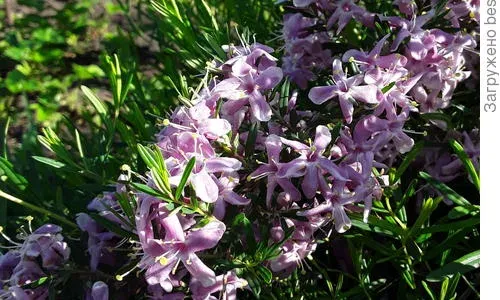
Albert's honeysuckle (Lonicera albertii) is a deciduous ornamental shrub belonging to the Caprifoliaceae family. It is distinguished by its graceful, arching branches and narrow leaves, which give the plant a delicate and ethereal appearance in any landscape.
Native to the mountainous regions of Central Asia, specifically the Tian Shan range, this species is naturally adapted to cold climates and harsh alpine environments, making it exceptionally hardy for garden cultivation in various zones.
This culture thrives in well-drained, fertile soils with a neutral or slightly alkaline pH. Proper soil preparation is essential, as the plant does not tolerate waterlogging, which can lead to root rot and other physiological stressors.
For optimal health and flowering, Lonicera albertii requires full sun or partial shade. Exposure to adequate sunlight ensures a dense growth habit and more profuse production of its fragrant, pale pink or lilac flowers, which appear in late spring.
Regarding general maintenance, the shrub is relatively low-needs. Minimal pruning is required to maintain its natural shape, though removing dead wood in early spring can help rejuvenate the plant and maintain its aesthetic appeal.
Main diseases and pests
The primary pests affecting Albert's honeysuckle include various aphids and leaf-rollers, which feed on the tender new growth, causing leaf curling and reduced vigor during the active growing season.
Fungal issues, particularly powdery mildew, are common during periods of high humidity or poor air circulation within the shrub canopy, requiring prompt attention to prevent spread to adjacent plantings.
The honeysuckle fruit fly (or associated species) may pose a threat to the development of the small, berry-like fruits, requiring careful monitoring if fruit production is a concern for the gardener.
Effective management includes integrated pest control strategies, such as the use of systemic insecticides for severe infestations and horticultural oils for early-season prevention of aphid populations.
Maintaining a clean garden environment by removing fallen leaves in the autumn reduces the survival rate of overwintering pests and fungal spores, thereby decreasing the likelihood of recurrence in the following year.