
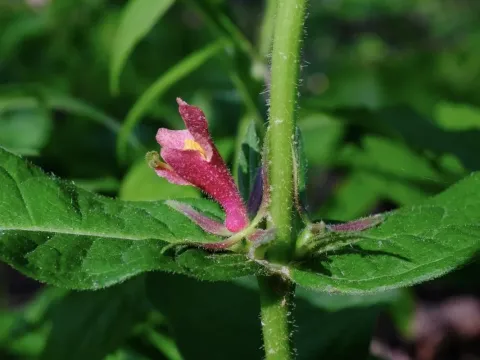
Triosteum
Triosteum
Triosteum is a genus of perennial herbaceous plants belonging to the Caprifoliaceae family. Naturally occurring in North America and East Asia, these plants are typically found in woodland environments with nutrient-rich, moist soil conditions.
What the section contains


Triosteum
The cultivation of Triosteum requires well-drained, fertile soil enriched with organic matter. Providing a stable environment with consistent soil moisture is essential for the healthy development of its root system and aerial parts.
These plants thrive best in partial shade, mimicking their natural forest floor habitat. In landscapes, they perform well when sheltered from harsh mid-day sun, which can cause foliage stress and affect the plant's ornamental quality.
Climate adaptability is a notable feature, as most species demonstrate hardiness against temperate winter conditions. A period of winter dormancy is often beneficial, as it triggers successful vegetative growth and subsequent fruit production in the following season.
From a botanical standpoint, Triosteum is characterized by opposite leaves and subtle flowers, followed by distinct, fleshy drupes that serve as a key ornamental feature. Propagation is best achieved through seed stratification or careful root division during the dormant season.
Fungal diseases are the primary threat to Triosteum, particularly in humid or poorly ventilated conditions. Powdery mildew and leaf spot diseases are common, necessitating preventive measures like ensuring adequate spacing between plants.
Insect pests, including aphids and spider mites, can damage the foliage throughout the growing season. Early detection and the application of integrated pest management strategies are crucial to maintaining plant vigor.
Soil-dwelling larvae can pose a risk to the rootstock, leading to stunted growth or plant decline. Monitoring the soil and using appropriate biological or chemical controls can help protect the underground parts of the plant during the early growth stages.
Slugs and snails may feed on the young foliage during wet springs, potentially causing significant aesthetic damage. Implementing physical barriers or using pet-safe baits can effectively mitigate the impact of these mollusks on the garden planting.
Good air circulation and consistent moisture management are the most effective ways to prevent major health issues. By removing dead plant debris at the end of the season, growers can significantly reduce the risk of overwintering pathogens in the plot.