
Tuberous valerian
Valeriana tuberosa
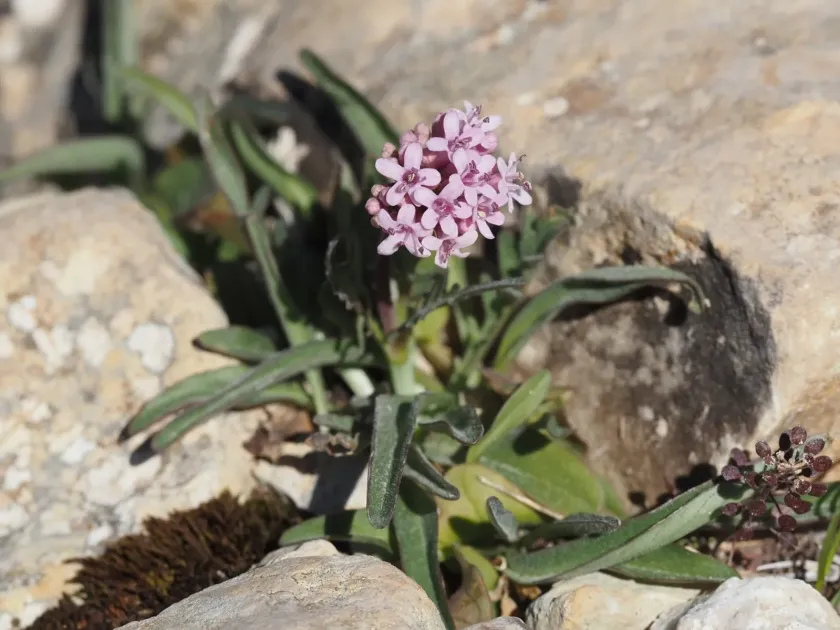
Description
Sowing dates
Tuberous valerian (Valeriana tuberosa) is a perennial herbaceous plant belonging to the Caprifoliaceae family. The plant is characterized by its distinct tuberous root structure, which serves as a storage organ for nutrients and medicinal compounds.
Propagation is primarily carried out through seeds, which require a cold stratification period to break dormancy. Sowing can be performed in late autumn for natural stratification or early spring using pre-chilled seeds for better germination rates.
The seeds should be sown shallowly, barely covered with soil, as they require some light for optimal emergence. A fine, well-tilled seedbed is essential to ensure close contact between the seeds and the soil particles.
During the first year, the plant focuses on establishing its root system and forming a basal rosette of leaves. Slow initial growth is typical, making weed control in the first few months critical for successful stand establishment.
Spacing requirements are generally 20 to 30 centimeters between plants to allow for the development of the tuberous root clusters, which are the primary economic focus for this crop.
Growing requirements
Tuberous valerian thrives in sunny to semi-shaded locations. While it is adaptable to various environments, it prefers open areas with consistent sunlight to maximize the synthesis of bioactive secondary metabolites in its roots.
Well-drained, sandy-loam soils with a neutral pH are ideal. The crop is highly sensitive to waterlogging; excessive soil moisture leads to root rot and significant yield losses, so site drainage must be a priority during field preparation.
The plant demonstrates significant winter hardiness, making it suitable for temperate regions. However, providing a light organic mulch cover can help protect the root crowns from extreme freezing during open winters without snow cover.
Regular but moderate irrigation is required during the growing season. It is vital to avoid surface crusting of the soil, as this restricts the oxygen supply to the roots, which is crucial for healthy tuber development.
Nutrient management should focus on balanced NPK ratios, with a slight emphasis on phosphorus and potassium during the second year to support root thickening and the overall vigor of the perennial structure.
Main diseases and pests
Root rot, often caused by fungal pathogens such as Pythium or Phytophthora, is the primary threat to tuberous valerian production. These conditions are almost always linked to poor soil drainage or excessive irrigation management.
Wireworms and other soil-dwelling larvae can physically damage the tuberous roots, creating entry points for secondary bacterial and fungal infections. Preventive soil management and crop rotation are the best defense strategies.
Powdery mildew can affect the foliage during humid, stagnant periods in summer. Maintaining proper plant spacing to facilitate airflow is the most effective cultural method to mitigate the risk of leaf diseases.
Weed competition is a major factor in the early stages of the crop. Manual weeding or careful mechanical cultivation between rows is necessary to prevent the crop from being choked by aggressive annual or perennial weeds.
Monitoring for signs of stress is crucial, as this plant species is susceptible to environmental imbalances which can negatively affect the chemical composition of the harvested roots.
Harvesting
Harvesting usually takes place during the second or third autumn of the plant's life cycle. This is when the tuberous roots have achieved optimal mass and the concentration of pharmacologically active compounds is at its peak.
Mechanical harvesters or manual digging tools are used to extract the roots carefully from the soil. Once lifted, the roots must be thoroughly washed to remove all soil particles to prevent contamination and ensure high-quality material.
Drying is performed in controlled environments, typically at temperatures below 40 degrees Celsius, to prevent the volatilization of essential oils and other valuable compounds found within the tuberous structures.
Once dried, the roots should have a specific pungent aroma and a brittle texture. Storage must occur in cool, dry conditions with adequate air circulation to prevent mold development in the stored product.
Valeriana tuberosa is valued for its sedative properties and its role in herbal medicine, making it a niche but potentially high-value crop for specialized agricultural producers.