
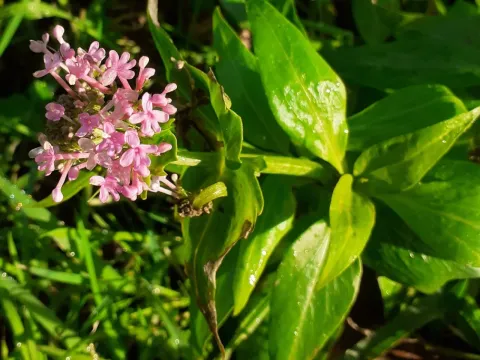
Centranthus
Centranthus
Centranthus seeds are typically sown in early spring or autumn, depending on the climatic zone, to ensure successful germination and establishment.
What the section contains
 Annual valerian
Centranthus calcitrapae
Annual valerian
Centranthus calcitrapae
 Centranthus lecoqii
Centranthus lecoqii
Centranthus lecoqii
 Centranthus longiflorus
Centranthus longiflorus
Centranthus longiflorus
 Centranthus macrosiphon
Centranthus macrosiphon
Centranthus macrosiphon
 Centranthus nevadensis
Centranthus nevadensis
Centranthus nevadensis
 Centranthus trinervis
Centranthus trinervis
Centranthus trinervis
 Narrow-leaved valerian
Centranthus angustifolius
Narrow-leaved valerian
Centranthus angustifolius
Centranthus
When starting indoors, seeds should be sown in a sterile seed-starting mix and kept at a temperature of approximately 20 degrees Celsius.
Germination usually takes about two to three weeks, after which the seedlings should be moved to a well-lit area to ensure sturdy growth.
Transplanting into the garden should occur once the danger of frost has passed, ensuring the plants are spaced at least 30–40 cm apart.
The plant is known for its ability to self-seed, which makes it an excellent choice for naturalistic garden plantings and meadow-style landscaping.
Belonging to the Caprifoliaceae family, Centranthus thrives in full sun, which is essential for developing its vibrant, fragrant flower spikes.
It performs best in well-draining, slightly alkaline or limestone-rich soils, as it is highly intolerant of waterlogged conditions and acidic soil.
The plant is exceptionally drought-tolerant once established, making it a perfect candidate for xeriscaping or rock gardens with minimal irrigation.
Proper air circulation around the plants is critical to prevent moisture retention in the foliage, which can lead to various fungal complications.
While hardy, Centranthus appreciates a layer of mulch in colder regions to protect the crown from freezing temperatures during extreme winter conditions.
Aphids and slugs are the primary pests that may target Centranthus, especially during humid weather conditions in the early growth stages.
Fungal diseases like powdery mildew and root rot are common threats when the soil remains consistently damp or the plants are overcrowded.
To mitigate the risk of infection, gardeners should ensure adequate space between plants and avoid overhead watering that wets the leaves.
Regular monitoring of the foliage and prompt removal of any diseased plant tissue can significantly reduce the need for chemical intervention.
Maintaining a weed-free environment is essential for overall plant health and helps prevent the accumulation of moisture around the base of the stems.
Centranthus is highly valued in horticulture for its long-lasting, scented blooms that attract various pollinators, including butterflies and bees.
Deadheading faded flower stalks throughout the growing season encourages the plant to produce a second flush of blooms, extending its ornamental season.
Seed collection should be done when the seed heads turn brown, usually in late summer, and stored in a cool, dry place for future propagation.
The cut flowers are commonly used in floral arrangements, as they offer unique textures and a pleasing scent that complements many bouquets.
Late autumn maintenance involves pruning the spent stalks back to the base, which prepares the plant for dormancy and promotes vigorous spring growth.