
Celtic valerian
Valeriana celtica
Description
Growing requirements
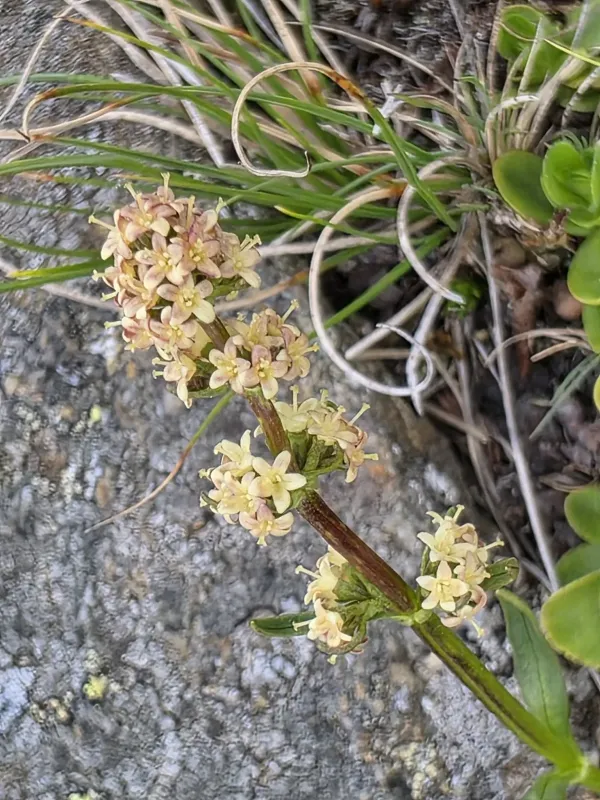
Celtic valerian (Valeriana celtica) is a perennial herbaceous plant belonging to the family Caprifoliaceae. It is a rare endemic species native to the high-altitude regions of the Alps, specifically thriving in the subalpine and alpine zones at elevations above 2,000 meters.
Botanically, the plant is characterized by a strong, aromatic rhizome that is highly prized for its medicinal and fragrant properties. The leaves typically form dense basal rosettes, and the plant produces small, discreet flowers that are well-adapted to the harsh conditions of high-mountain environments.
Agricultural success with this species requires mimicking its natural habitat. The soil must be exceptionally well-drained, porous, and rich in calcium carbonate. Cultivation in standard garden soil is often unsuccessful due to the plant's extreme sensitivity to root rot and heat stress during summer months.
Environmental conditions are paramount for this crop. It requires a cool, moist climate with significant seasonal temperature variations. Exposure to direct, intense midday sun in lowland areas can lead to physiological damage, making semi-shaded conditions or northern exposures necessary for controlled cultivation efforts.
The primary use of Celtic valerian is in the extraction of aromatic oils. Due to its intense, long-lasting scent, it has been harvested for centuries for use in perfumery and traditional medicine. Today, it remains a specialty crop, often managed under strict conservation guidelines due to its limited distribution in the wild.