
Siphocampylus
Siphocampylus
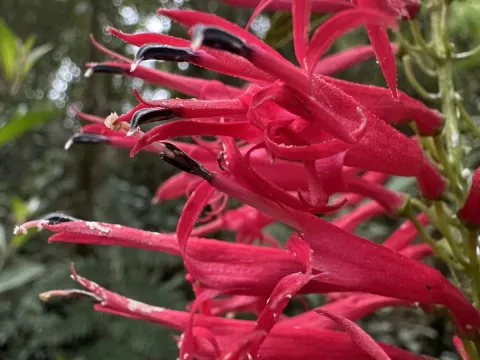
Siphocampylus is a diverse genus of flowering plants belonging to the Campanulaceae family, native primarily to the mountainous tropical regions of Central and South America. These plants are recognized for their elegant, elongated tubular flowers that frequently attract hummingbirds in their native habitat.
What the section contains

Siphocampylus
Botanically, they exhibit a shrubby or climbing growth habit, which necessitates adequate structural support when grown in an artificial environment. Their foliage is usually dense, providing a lush, tropical aesthetic suitable for specialized botanical collections.
In terms of climate, Siphocampylus requires environments that mimic high-altitude cloud forests, featuring consistent temperatures and high humidity levels. They are highly intolerant of frost and extreme heat, thriving best in conditions where temperatures remain stable year-round.
The soil requirements for this culture are specific: it must be highly porous, rich in organic humus, and capable of retaining moisture while maintaining excellent drainage. A substrate composed of peat moss, perlite, and decomposed leaf litter is generally considered the industry standard.
Regarding commercial and hobbyist use, Siphocampylus is cultivated primarily for its ornamental value in conservatories and glasshouses. While not a large-scale agricultural crop, it remains a prized specimen for indoor vertical gardens and specialized temperate-climate floral displays.
Common pests affecting Siphocampylus in controlled environments include spider mites, mealybugs, and aphids, which exploit the high-humidity conditions often favored by the plant. Integrated pest management, including regular foliage inspection, is vital for maintaining health.
Fungal issues, particularly stem and root rot, represent significant threats if the irrigation system fails to provide adequate drainage. It is essential to ensure that the growing medium does not become waterlogged, as this is the leading cause of plant mortality in professional settings.