
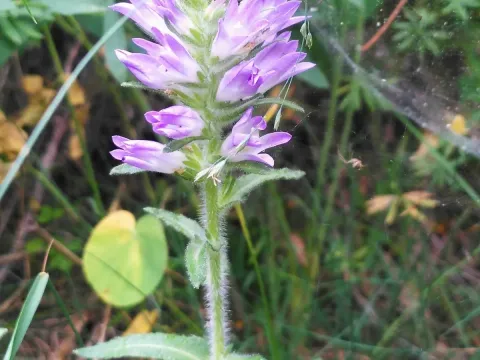
Spiked bellflower
Campanula spicata
Sowing of Campanula spicata is best performed in early spring when temperatures remain consistently above freezing. The seeds are very small and should be sown directly on the soil surface, requiring only a light pressing to maintain contact with the substrate.
What the section contains
Spiked bellflower
For commercial propagation, seeds are often started in trays or seedling plugs under controlled conditions. Maintaining a temperature range of 15 to 20 degrees Celsius is optimal for ensuring steady and uniform germination.
Seedlings develop slowly during the first year, focusing primarily on establishing a sturdy basal rosette of leaves. Transplanting into open ground should be delayed until the plants have developed a sufficient root system.
In regions with mild winters, autumn sowing can be practiced to achieve natural stratification. This method often results in earlier emergence the following season compared to spring-sown seeds.
Proper spacing is crucial during the planting phase to allow for adequate airflow. Densely packed seedlings are significantly more susceptible to humidity-related diseases and competitive stress.
The spiked bellflower, a member of the Campanulaceae family, thrives in open, sun-drenched environments. It is native to mountainous regions and dry meadows of Europe, which dictates its preference for well-drained soils.
The ideal soil profile should be neutral to slightly alkaline, with high mineral content and minimal organic matter that holds excessive water. Drainage is the most important factor in preventing root damage during winter.
This species is highly drought-tolerant once fully established, making it suitable for low-maintenance landscaping or rock gardens. Supplementary irrigation is only required during prolonged dry spells in the peak growing season.
Fertilization should be handled with caution, as high levels of nitrogen can cause weak, spindly growth. A balanced, slow-release fertilizer applied once at the beginning of the season is generally sufficient.
Hardiness is a key characteristic of this species, allowing it to withstand harsh winters. The plant remains dormant through the winter, emerging with renewed vigor when spring temperatures allow for active growth.
Slugs and snails are the most common pests during the wet season, as they feed on the succulent leaves of the young plants. Protective barriers or bait stations are recommended for effective management in gardens.
Fungal leaf spots can occur when air circulation is poor, particularly in areas with high humidity. Proper spatial management and avoiding overhead watering can significantly reduce the risk of these infections.
Aphids occasionally target the flower stalks, which can lead to distorted blooms if not controlled. Insecticidal soaps or systemic treatments are typically effective if the infestation is caught early enough.
Root rot is the primary cause of plant death, usually resulting from saturated soil conditions. Ensuring a well-draining site and avoiding excessive irrigation is the best preventative strategy for any grower.
Nematodes, while less common, may cause stunted growth by damaging the root system. Using soil from reliable sources and implementing strict hygiene practices in the field can mitigate the spread of soil-borne pathogens.