
Siberian bellflower
Campanula sibirica
Description
Sowing dates
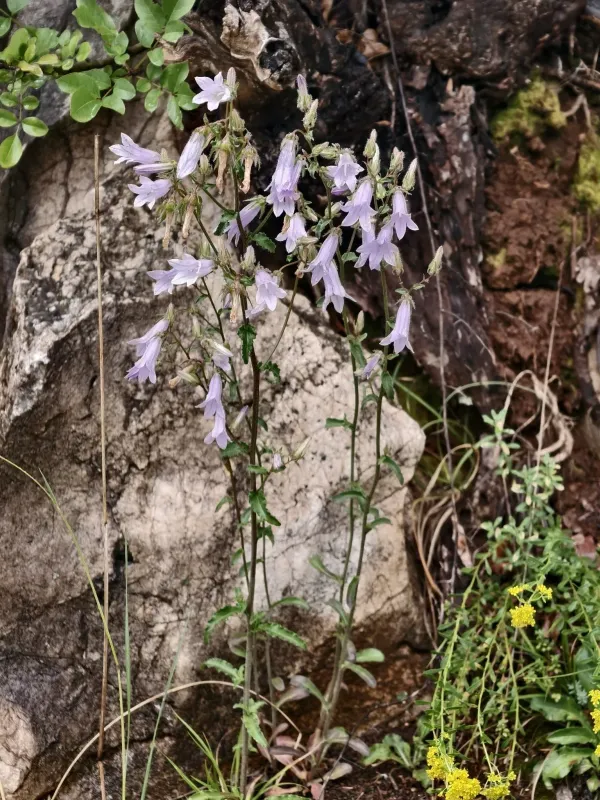
The Siberian bellflower (Campanula sibirica) is a member of the Campanulaceae family. It typically grows as a biennial or a short-lived perennial, widely appreciated for its delicate blue-violet flowers.
Direct sowing in the open field is best performed in early spring as soon as the soil can be worked. Alternatively, seeds can be sown in late autumn for winter dormancy, leading to natural stratification.
When starting indoors, seeds should be sown in late winter. They require shallow sowing as they need light to germinate; a light dusting of vermiculite or fine soil is sufficient to keep them in place.
Seedlings need to be hardened off gradually before transplanting into the garden. Maintaining consistent moisture during the germination stage is critical for achieving a high success rate.
Planting density should be managed to ensure adequate airflow. A spacing of 25 centimeters between individual plants is generally recommended to prevent overcrowding and promote healthy plant development.
Growing requirements
This species thrives in full sun exposure. While it can tolerate partial shade, optimal growth and flower density are observed in areas receiving at least six to eight hours of direct sunlight daily.
The soil requirements focus on excellent drainage. The plant naturally grows in rocky or sandy substrates, making it highly suitable for rock gardens or well-drained flower borders with neutral pH levels.
The plant demonstrates good drought tolerance once established. However, during the initial phases of growth, supplemental watering is necessary to ensure the roots penetrate the soil deeply.
Adding a small amount of organic compost during site preparation is beneficial, but excessive fertilization should be avoided. Over-fertilizing often leads to weak, leggy stems that require staking.
Winter care is minimal due to the plant's high frost resistance. In regions with severe winters, a light layer of mulch can protect the root crown from alternating freeze-thaw cycles.
Main diseases and pests
Fungal pathogens such as powdery mildew can be a significant threat in high-humidity conditions. Improving air circulation around the plants is the most effective cultural control method.
Root rot is common if the soil remains waterlogged for extended periods. Ensuring a fast-draining soil profile is the primary preventive measure against various soil-borne pathogens.
Slugs and snails present a seasonal challenge, especially to young plants. Protective barriers like crushed eggshells or copper tape can be used to prevent these pests from reaching the foliage.
Aphids might colonize the flower spikes during hot, dry spells. Regular inspection and the use of insecticidal soaps are usually sufficient to manage these infestations without resorting to harsh chemicals.
Insects like the campanula beetle can occasionally cause damage to leaves and stems. Integrated pest management, involving manual removal and monitoring, remains the best approach for long-term health.