
Spanish bellflower
Campanula hispanica
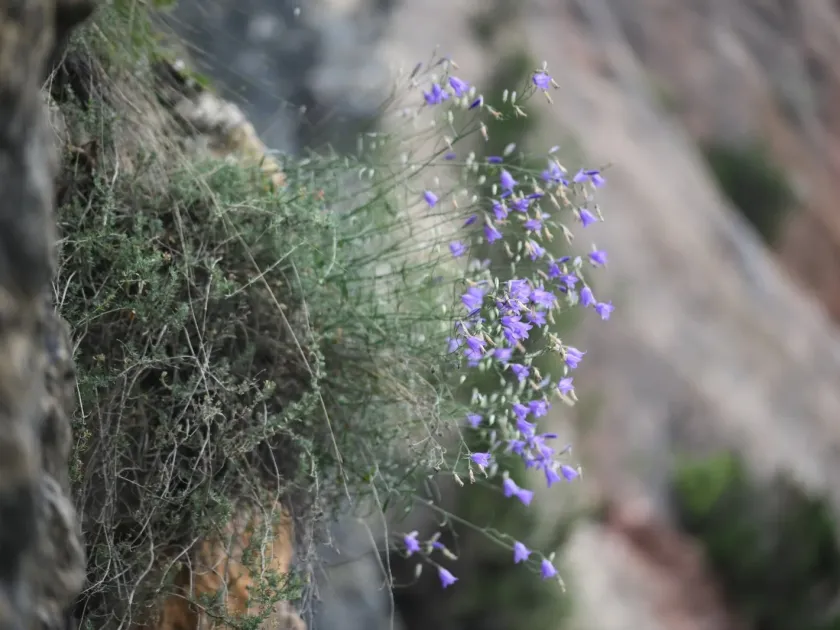
Description
Sowing dates
Spanish bellflower is a herbaceous perennial plant belonging to the Campanulaceae family. Seeds are typically sown in early spring once soil temperatures reach 15–18 degrees Celsius, or started indoors in late winter.
The seeds are very small and should be sown on the surface of a light, well-draining potting mix. They require light to germinate, so they should not be buried deep; a light pressing into the substrate is sufficient.
Indoor seedlings should be pricked out when the first true leaves appear to encourage root development. Proper hardening off before transplanting into the garden is essential for the survival of the young plants.
Direct sowing in the garden is also possible in autumn in mild climates, allowing the seeds to undergo natural stratification. This method often results in earlier blooming during the following season.
For optimal growth, spacing should be approximately 20–25 centimeters apart. This spacing ensures adequate air circulation and prevents the development of moisture-related issues within the foliage.
Growing requirements
This species thrives in sunny locations but benefits from partial shade during the hottest part of the day in warmer climates. Intense, direct sunlight can occasionally scorch the delicate flowers.
The ideal soil is fertile, loose, and well-drained. Spanish bellflower is highly sensitive to waterlogging, so soil structure must be modified with organic matter or grit if drainage is poor.
It prefers a neutral to slightly alkaline soil pH. Amending the soil with small amounts of garden lime can be beneficial if the native soil is naturally acidic, ensuring better nutrient availability.
Consistent moisture is required throughout the growing season, particularly during the flowering period. While regular watering is necessary, the soil should never remain waterlogged or boggy.
Fertilization with a balanced, slow-release fertilizer in early spring promotes vigorous leaf growth. During the budding stage, switching to a potassium-rich fertilizer can improve flower quality and longevity.
Main diseases and pests
Root rot is the most serious threat to Spanish bellflower, typically caused by overwatering or poorly drained soil. Symptoms include wilting and yellowing leaves followed by plant collapse.
Powdery mildew can affect the foliage during periods of high humidity and poor air circulation. Improving spacing and applying fungicides can effectively manage this fungal disease.
Slugs and snails are the primary pests that damage young leaves and buds. Keeping the area free of debris and using physical barriers or organic bait can minimize their impact on the flower beds.
Aphids may occasionally cluster on succulent stem tips. If detected early, they can be manually removed or treated with insecticidal soap sprays to prevent further damage to the plant's vascular system.
Routine inspection of the plant base and foliage is crucial for early detection of issues. Removing damaged or infected parts promptly helps prevent the spread of diseases throughout the entire planting site.