
Scheuchzer's bellflower
Campanula scheuchzeri
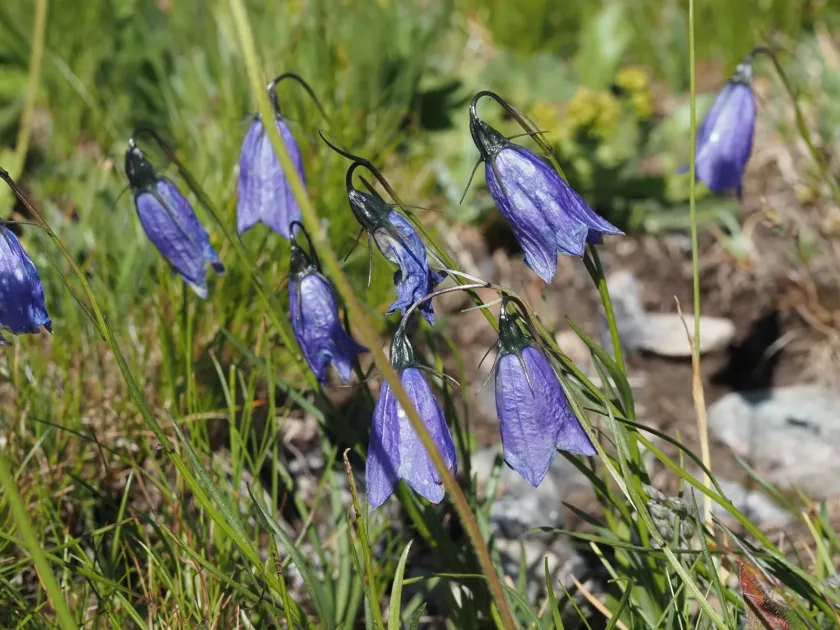
Description
Sowing dates
Sowing seeds of Scheuchzer's bellflower is best performed in late autumn for winter sowing, which allows the seeds to undergo natural stratification. If spring sowing is preferred, seeds must be chilled at 4°C for approximately one month to ensure optimal germination rates.
The seeds of this species are extremely small and should not be covered with a thick layer of soil. They should be scattered evenly on the surface of the prepared substrate and pressed lightly to ensure soil contact, maintaining high humidity until germination.
Seedlings should be transplanted into the garden during the second half of May, once the risk of night frosts has completely passed. It is crucial to harden off the plants for several days before moving them to their permanent outdoor location.
For container-grown seedlings, start sowing in March using a light, well-draining potting mix. Keep the temperature around 18–20°C and provide bright, indirect light to ensure the development of strong, sturdy stems.
When planting, maintain a spacing of at least 20–25 centimeters between individuals. Proper spacing is essential to ensure adequate airflow around the foliage, which significantly reduces the risk of fungal infections throughout the growing season.
Growing requirements
As a native of alpine meadows, Scheuchzer's bellflower thrives in sunny locations with well-draining soil. While it can tolerate partial shade, too much shade often leads to leggy growth and reduced floral density during the summer months.
The soil should be nutrient-poor to moderately fertile, with a neutral or slightly acidic pH. Excellent drainage is non-negotiable, as this plant is highly susceptible to root rot if left in standing water for extended periods.
The plant is exceptionally hardy and well-adapted to harsh climates with significant temperature fluctuations. It requires no winter protection in temperate zones, as it is biologically programmed to survive deep freeze conditions.
Maintenance consists primarily of regular weeding, as the plant does not compete well with vigorous weeds in its early growth stages. Occasional soil loosening after heavy rain helps maintain aeration for the delicate root system.
Fertilization should be kept to a minimum, with a light application of balanced fertilizer early in the spring. Over-fertilization, especially with nitrogen, can lead to excessive leafy growth that compromises the plant's structural integrity.
Main diseases and pests
The primary threat to the health of Scheuchzer's bellflower is root rot caused by poor soil drainage and waterlogging. Ensuring that the planting site has adequate slope or gravel drainage is the most effective preventative measure.
Powdery mildew is a common issue in humid, stagnant air conditions. To manage this, ensure proper plant spacing for better airflow and apply systemic fungicides at the first sign of white spots on the leaves.
Slugs and snails can cause significant damage to the foliage, particularly in damp weather. Protecting the perimeter of the planting area with abrasive materials like crushed gravel or eggshells acts as a natural deterrent against these pests.
Aphids may occasionally target the developing buds. If an infestation occurs, a gentle spray of water or a mild insecticidal soap solution is usually sufficient to clear the plants without causing damage to the beneficial insects.
Consistent monitoring of the garden bed is recommended to identify potential issues before they spread. Maintaining a clean and properly spaced planting area is the best strategy for promoting long-term vigor and beauty.