
Spruce bellflower
Campanula abietina
Description
Growing requirements
The Spruce bellflower (Campanula abietina) belongs to the Campanulaceae family. It is a perennial herbaceous plant native to the mountainous regions of Central and Southeastern Europe, where it typically inhabits subalpine meadows and the edges of coniferous forests.
This species requires specific environmental conditions to thrive. It performs best in loose, humus-rich soils that maintain a consistent level of moisture while providing excellent drainage. The ideal pH for the soil ranges from slightly acidic to neutral, avoiding waterlogged conditions at all costs.
Climatically, the Spruce bellflower is adapted to cooler, mountainous zones. It prefers locations with filtered sunlight or partial shade. Exposure to intense, direct afternoon sun can lead to heat stress, causing the foliage to wither and reducing the overall decorative quality of the plant.
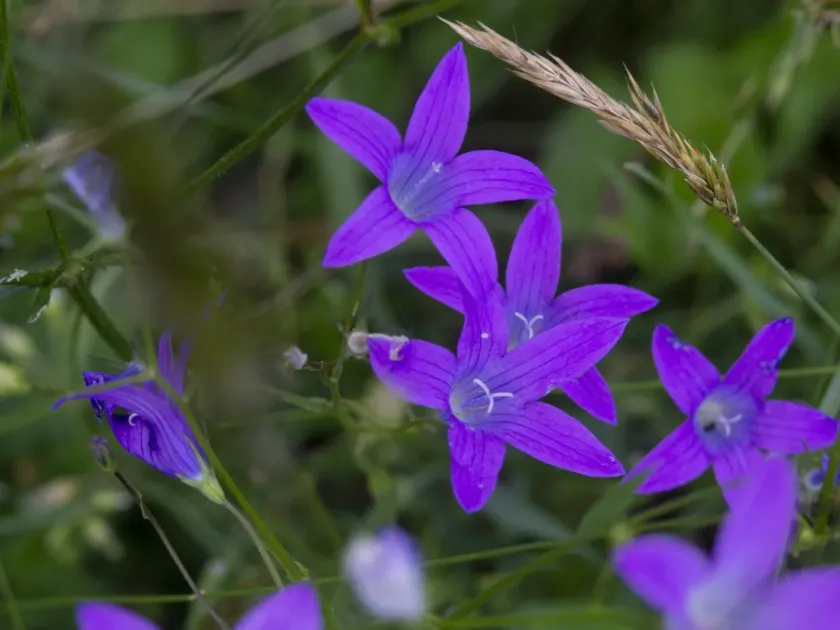
In terms of agricultural and horticultural use, this plant is primarily utilized in landscape design for alpine gardens, rockeries, and ground cover applications. Its vibrant violet-blue flowers provide a classic aesthetic that fits perfectly into naturalistic gardening styles.
Maintenance involves regular monitoring of soil moisture, especially during the flowering season. Mulching around the base of the plants is recommended to preserve moisture and protect the roots from temperature fluctuations, ensuring healthy growth throughout the vegetation period.
Main diseases and pests
The primary threats to the Spruce bellflower include fungal diseases, particularly root rot, which is triggered by excessive soil moisture and poor drainage. Maintaining a healthy soil environment is the best prevention against these soil-borne pathogens.
Pest issues often involve slugs and snails, which can cause significant damage to the lush green leaves and emerging buds. Additionally, aphids may target the plant during periods of drought or stress. Regular inspection and natural pest control methods are advised to keep the plant healthy.