
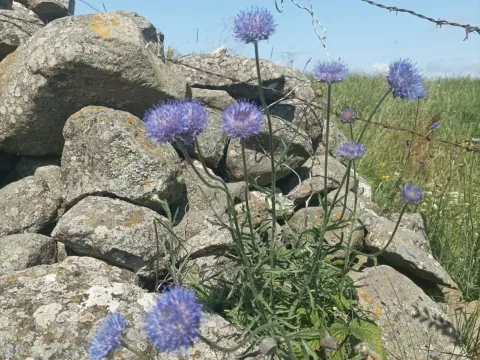
Sheep's-bit
Jasione laevis
Sheep's-bit can be propagated by seeds or division of mature clumps. Sowing in the open ground is best performed in late autumn or early spring when the soil starts to thaw.
What the section contains
Sheep's-bit
For container starting, sow the seeds indoors in March using a well-draining seed-starting mix. Germination typically occurs within two to three weeks under warm conditions.
Transplanting seedlings to the garden should be done after the risk of frost has passed, ensuring plants are spaced about 20 to 25 centimeters apart for proper growth.
Cold stratification of seeds is highly recommended to improve germination rates, as the seeds often require a chilling period to break dormancy effectively.
Seedlings grow relatively slowly during the first season, requiring consistent weeding and light watering to ensure they are not overtaken by faster-growing vegetation.
Sheep's-bit is a member of the Campanulaceae family and thrives in full sun, which is essential for producing the plant's characteristic vibrant blue flower heads.
The plant prefers sandy or rocky, well-draining soils and is well-suited for rock gardens or borders where typical garden flowers might struggle with poor soil quality.
Moderate irrigation is necessary, but it is critical to avoid waterlogged conditions, which can quickly lead to root rot and other moisture-related fungal issues.
It is a hardy perennial, demonstrating good resistance to cold and adapting well to various temperate climates, provided that drainage remains consistent throughout the year.
Minimal fertilization is required; a light application of a balanced slow-release fertilizer in early spring is usually sufficient to support healthy foliage and blooming.
Fungal diseases are the primary threat, especially in areas with high humidity or poor air circulation, often manifesting as root or crown rot near the soil surface.
Aphids can occasionally infest the flower buds and young stems, causing wilting and stunted growth if left unmanaged during the peak of the growing season.
To mitigate disease risks, maintain adequate spacing between plants to facilitate airflow and avoid overhead watering that keeps the foliage wet for extended periods.
Pest management should prioritize natural methods or selective insecticidal soaps to protect beneficial pollinators that are attracted to the plant's nectar-rich flowers.
Snails and slugs can damage the foliage during wet weather, making it beneficial to clear debris around the base of the plant to discourage these pests.
Seed harvesting should take place once the flower heads have turned brown and dry, but before they begin to shatter and disperse seeds naturally into the garden.
Deadheading the spent blooms helps to tidy the plant's appearance and may encourage a second flush of flowers later in the season if conditions remain favorable.
Dried flower heads can be utilized in floral arrangements, as they retain their distinct spherical shape well when dried in a cool, dark, and airy environment.
Store harvested seeds in breathable paper envelopes in a dry, dark place to maintain viability, as excess moisture will drastically reduce the shelf life of the seeds.
Timely harvest is essential, as the seeds are quite small and light, making them susceptible to being blown away by wind if left on the plant for too long.