
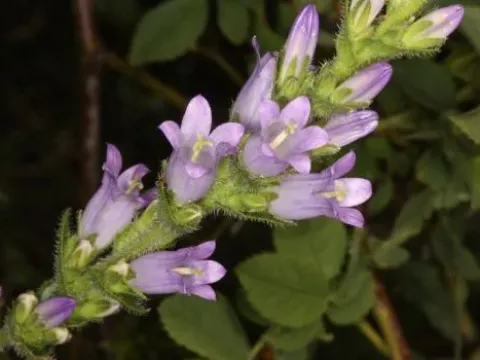
Spreading bellflower
Campanula macrostachya
The spreading bellflower (Campanula patula) is a biennial herbaceous plant belonging to the Campanulaceae family. It is valued in agricultural landscaping for its aesthetic appeal and its role in supporting pollinator populations in meadows.
What the section contains
Spreading bellflower
The ideal sowing period is during the spring months, specifically late April to mid-May. Because the seeds are tiny and light-sensitive, they should be scattered over the surface of the soil rather than buried deeply to ensure successful germination.
Preparation involves creating a fine, weed-free seedbed to minimize competition in the early growth stages. Mixing seeds with dry, inert materials like sand helps ensure an even distribution over the designated area, which is vital for uniform plant development.
In the first year of growth, the plant focuses on establishing a vegetative basal rosette of leaves. Agronomic management during this phase centers on manual weeding and ensuring consistent moisture levels, which allows for robust root development.
Thinning the seedlings is necessary once they reach the two-leaf stage. Maintaining a distance of 15 to 20 centimeters between plants promotes healthy airflow and reduces the risk of fungal infections within the dense foliage.
This species flourishes in sunny locations but adapts well to partial shade. Its natural distribution across European meadows and forest margins indicates a preference for temperate climates with adequate rainfall throughout the growing season.
Soil quality should be moderate, characterized by good drainage and a neutral to slightly acidic pH level. Heavy clay soils are generally unsuitable unless amended with organic matter or sand to improve structure and prevent water accumulation at the roots.
Temperature tolerance is high, as the species is adapted to survive cold winters typical of the European climate. However, protecting the basal rosette from ice crust formation during late winter is beneficial for securing the survival of the plant into the next season.
Watering requirements are moderate but essential during dry spells. Irrigation should be managed to keep the soil moist but never waterlogged, as excessive humidity is the primary cause of root-related physiological stress in bellflowers.
Nutrient management involves light fertilization in the spring, typically using compost or balanced liquid fertilizers. Excessive nitrogen application should be avoided, as it encourages weak, spindly stems prone to lodging or collapse under their own weight.
Fungal pathogens such as powdery mildew and rust are common threats, especially when air circulation is poor or humidity is high. Maintaining optimal spacing is the most effective cultural method to mitigate the rapid spread of these infections.
Root rot is a significant danger in poorly drained conditions. Agronomists should monitor field sites for compaction and ensure that drainage systems or soil amendments are functioning correctly to prevent stagnant water from killing the plant roots.
Slugs and snails present a constant risk to the young leaves and shoots, particularly during rainy weather. Physical barriers, such as copper tape or grit around the base, are recommended as part of an integrated pest management strategy.
Aphid infestations are frequently observed on the flower buds and young stems. Early detection and the use of insecticidal soaps or biological controls are preferred methods to maintain the health of the plants without disrupting local ecosystems.
Weed management remains the most critical task for preventing the introduction of secondary pests. Regular mechanical cultivation between rows helps preserve soil health and reduces the need for heavy chemical intervention throughout the growing season.