
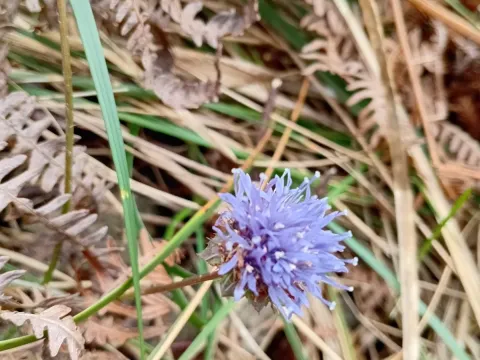
Sheep's bit
Jasione L.
Sowing of Jasione seeds in open ground is best performed in late autumn, as the seeds require a period of natural cold stratification to germinate effectively in spring.
What the section contains
Sheep's bit
When starting seeds indoors, sowing should occur in late winter using a light, well-draining substrate amended with perlite or sand to ensure optimal conditions.
The seeds of this plant are extremely small, requiring surface sowing; they should only be lightly dusted with fine sand or left uncovered to receive necessary light.
Germination typically occurs within two to three weeks under consistent temperatures around 20 degrees Celsius and stable moisture levels in the growing medium.
Seedlings should be transplanted to their final location once they have developed at least two sets of true leaves, taking care to protect the sensitive root ball.
Jasione L., belonging to the Campanulaceae family, thrives in open, sunny environments and is naturally adapted to sandy or rocky soil compositions.
This plant is notably drought-tolerant and performs well in nutrient-poor soils, provided they are well-draining and possess a neutral to slightly acidic pH level.
Full sun exposure is a non-negotiable requirement for this species; shade will lead to weak, elongated stems and a significant reduction in flower production.
In cultivated landscapes, avoiding waterlogged soil is essential, as the roots are highly susceptible to rot if stagnant water remains in the substrate for long periods.
The plant demonstrates excellent winter hardiness, making it a reliable choice for gardens in temperate regions without the need for additional winter protection.
The agricultural value of Sheep's bit is primarily ornamental, with productivity measured by the density and longevity of its unique, globe-shaped flower heads.
Well-maintained specimens form dense, attractive mounds that act as a high-quality nectar source, drawing numerous pollinators to the garden throughout the summer.
Gardeners value this plant for its extended blooming season, which often lasts from early summer through late August if growing conditions remain favorable.
To encourage continuous blooming and maintain the plant's aesthetic appeal, regular deadheading of spent flower stalks is highly recommended for all plantings.
Sheep's bit integrates well into xeriscaping or rock garden designs, creating resilient plant communities that require minimal maintenance and fertilization.
While Sheep's bit is generally robust, it may face health issues if cultivation practices are poor, particularly in instances of excessive soil moisture and humidity.
Root rot caused by fungal pathogens is the most significant threat, occurring when water drainage is inadequate and the roots are subjected to prolonged moisture.
Pests such as aphids and spider mites can occasionally appear, especially during hot, dry spells when the plant is under stress from lack of water.
Effective prevention involves maintaining excellent soil drainage, ensuring proper spacing between plants for airflow, and removing any decaying plant debris.
If pest infestations are identified, manual removal or the application of appropriate insecticides or biological control agents can help protect the plant's health.