
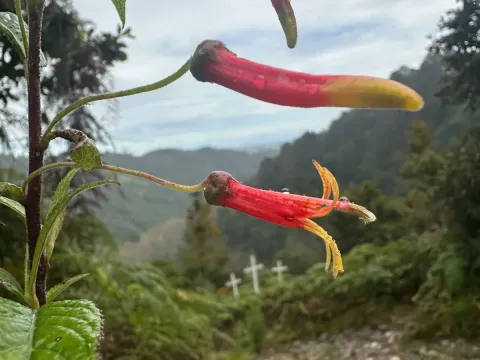
Lobelia laxiflora
Lobelia laxiflora
Lobelia laxiflora is typically propagated by seeds, which should be sown in late winter or early spring in a warm, protected environment to ensure a prolonged blooming season.
What the section contains
Lobelia laxiflora
The seeds are exceptionally small, requiring a surface sowing method on a fine, moist peat-based compost; do not cover them with soil as they need light to germinate efficiently.
Maintaining a consistent temperature of approximately 21 degrees Celsius and high humidity levels under glass or plastic cover is crucial for the germination process.
Seedlings should be pricked out into individual pots once they are large enough to handle, allowing for robust root development before hardening them off for outdoor planting.
Transplanting into the garden or permanent containers must be delayed until all risk of frost has passed, as the species is sensitive to cold temperatures and sudden thermal stress.
Belonging to the Campanulaceae family, this species originates from the mountainous regions of Mexico and Central America, thriving in temperate, humid climates.
The plant prefers well-draining, nutrient-rich, and slightly acidic soil; it is vital to avoid heavy waterlogging, which often leads to rapid decay of the root system.
Placement should be in a location offering partial shade, particularly protecting the foliage from the intense, scorching heat of the afternoon sun in summer months.
Regular irrigation is essential for optimal growth, as the species does not tolerate drought conditions and will quickly show signs of wilting if the root zone dries out.
Occasional application of a balanced liquid fertilizer during the active vegetative and flowering phase promotes continuous development and vibrant floral displays.
Spider mites are the most common pest associated with Lobelia laxiflora, especially in environments where air circulation is restricted and humidity levels are low.
Fungal pathogens such as root rot and powdery mildew can severely affect the plant's health, particularly when high humidity is combined with poor drainage in the potting mix.
Effective pest management involves frequent monitoring of the underside of leaves and implementing biological or chemical control methods as soon as infestation signs appear.
Good cultural practices, such as proper spacing to facilitate airflow and avoiding overhead watering, significantly reduce the incidence of moisture-related plant diseases.
If chemical interventions become necessary, use selective fungicides or insecticides that are safe for ornamental gardens to preserve local pollinator populations.