
Lobelia hybrids
Lobelia hybrids
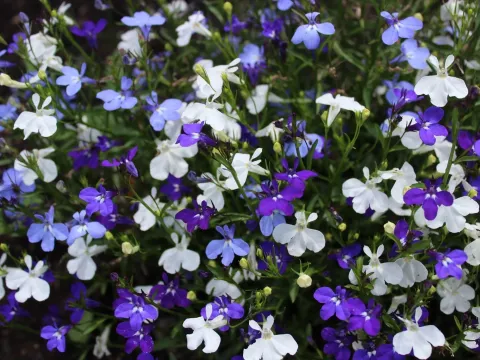
Lobelia hybrids belong to the Campanulaceae family and are highly valued for their vibrant, prolific flowering in borders, hanging baskets, and containers.
What the section contains
Lobelia hybrids
Seeds are extremely small and should be sown indoors in late winter, usually February or March, to ensure the plants have enough time to establish before outdoor planting.
Surface sowing is recommended as the seeds require light to germinate; simply press them gently into the moist compost and cover with a clear lid or plastic film.
Maintain a stable temperature of approximately 20–22 degrees Celsius, and once seedlings are large enough to handle, prick them out into individual pots or cell trays.
Hardening off the plants is a crucial step before moving them to their permanent location to ensure they are adapted to outdoor temperatures and wind.
These plants thrive in full sun but can also perform well in partial shade, especially in hotter climates where they benefit from protection against intense afternoon heat.
A moist, rich, and well-drained soil is essential; lobelias struggle in heavy, waterlogged soils which can lead to root damage and poor development.
Regular watering is necessary throughout the growing season, as these plants do not tolerate drought well and will stop blooming if the soil dries out completely.
Use a balanced liquid fertilizer every two to three weeks to encourage continuous blooming, taking care not to provide too much nitrogen which results in foliage overgrowth.
Deadheading or shearing the plants back after the first flush of flowers can encourage a second wave of blooms later in the season.
Aphids and spider mites are the most common pests that can infest lobelia plants, particularly when grown in conditions with poor airflow or low humidity.
Fungal diseases such as powdery mildew and various forms of root rot may appear if the plants are overcrowded or if the soil remains consistently waterlogged.
Effective management includes maintaining proper spacing between plants to ensure good air circulation and preventing water accumulation in the crown of the plants.
If an infestation or disease occurs, it is recommended to apply targeted biological or chemical treatments as soon as possible to save the display.
Constant monitoring of the foliage ensures that any issues are detected early, preventing widespread damage within the flower bed or container.