
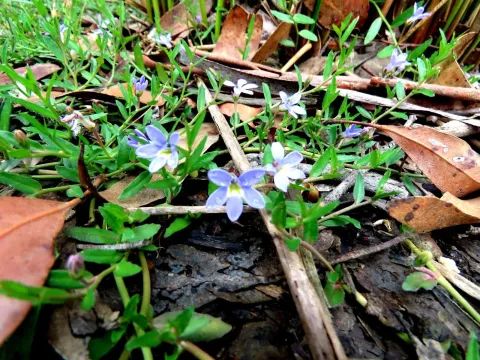
Lobelia pratioides
Lobelia pratioides
Lobelia pratioides belongs to the Campanulaceae family. It is a perennial herbaceous plant recognized for its specific growth habits and ecological requirements within its native range.
What the section contains
Lobelia pratioides
Propagation is primarily achieved through seed sowing in a controlled environment. Due to the minute size of the seeds, they are surface-sown on a moist, fine-textured substrate, as light is essential for germination.
The optimal germination period requires temperatures between 18 and 22 degrees Celsius. Constant humidity must be maintained, often by covering containers with transparent plastic to create a greenhouse effect.
Seedlings should be pricked out when the second pair of true leaves appears. It is recommended to handle the small plants with care to avoid root system damage, which can lead to delayed growth.
Hardening off the plants before transplanting into open ground is a critical step to ensure acclimatization. This process should occur gradually over 7-10 days before final planting.
This species thrives in locations with bright, filtered sunlight. Exposure to harsh afternoon sun should be avoided to prevent leaf scorch and to maintain the plant's structural integrity.
Soil requirements focus on high organic matter content, excellent drainage, and a slightly acidic to neutral pH level. Compacted soils that hold excessive moisture must be improved with sand or organic mulch.
Regular irrigation is vital as the plant lacks drought tolerance. Keeping the root zone consistently moist but not waterlogged is the primary goal for successful cultivation.
Nutrient management involves balanced liquid fertilizers applied sparingly during the peak growing season. High nitrogen levels should be avoided to prevent excessive vegetative growth at the expense of floral development.
Providing a consistent environment with moderate humidity levels will result in healthier plants. During hot summer months, increased air circulation is necessary to prevent thermal stress.
Spider mites represent a major threat, particularly in dry and poorly ventilated conditions. Monitoring the underside of leaves for fine webbing is essential for early detection and control.
Aphids may infest the succulent shoots, causing stunted growth and distorted leaves. Natural or chemical insecticides are effective when applied at the first sign of an infestation.
Fungal diseases, specifically root and crown rots, are common when soil drainage is inadequate. Ensuring that the soil surface dries out slightly between waterings is a key preventative measure.
Powdery mildew can occur if plants are overcrowded, leading to poor air circulation. Spacing the plants adequately helps to mitigate the risk of this fungal pathogen.
Slugs and snails can cause significant damage to young foliage during wet weather. Implementing barrier methods around the planting beds is a sustainable way to protect the crop.